SAP to open-stack ERP migration
Manufacturer, 500+ employees. Phased migration off SAP ERP onto an open stack with custom modules — run in stages while the plant kept working.
- 0 downtime
- 8 mo migration
- −40% on licences

Eighteen sectors we have built systems for — with the domain rules, the integrations and the regulator each one drags along. Pick yours and see what we have shipped in it.
What we can show you
The engineering does not change by sector. What changes is the rules you have to encode, the systems you have to talk to and who audits the result.
The rules of the domain. Tariff tables, commission splits, batch expiry dates, shift patterns — the logic nobody wrote down and everybody argues about. We pull it out of your team in the first two weeks and put it in the specification, not in one developer’s head.
The systems already in place. Every industry drags its own integrations along: carrier APIs and EDI in freight, listing portals in real estate, marketplaces and ERP in retail, devices on the shop floor. The wiring is often half the project, so we scope it before the features, not after.
Whoever audits you. Payments, health records, lending and personal data each add their own paperwork and their own tests. If your sector is regulated, you hear what that adds to the price and to the timeline before you sign — not once the build is running.
Everything else is the same on every project: scope fixed in a written SOW, a senior engineer reviewing every merge, your repository from the first commit.
Regulated sectors
Priced before you sign
Domain ramp-up
First two weeks
First step
Free 48-hour prototype
Industries
From fintech and e-commerce to manufacturing and property development — the stack follows the domain, not an off-the-shelf product that fits none of them.
A sector gets its own page once there is a case study behind it — everything else stays a line on the list above.
TMS, WMS, fleet and client portals, rolled out site by site without stopping the operation.
Agency CRM, listings and portal syndication, commission engines, mobile-first agent apps.
Catalogues, product information management, channel syndication, ERP synchronisation. Page publishes with the next case study.
Multi-tenant products with billing, plans and limits — see SaaS development for the engineering side.
Thin vertical pages are the standard trick of this market. They rank for a while and tell you nothing.
Manufacturer, 500+ employees. Phased migration off SAP ERP onto an open stack with custom modules — run in stages while the plant kept working.
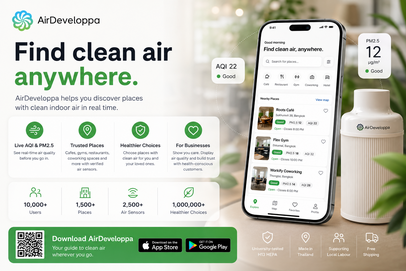
Indoor air quality finder driven by sensor data

Car-sharing app
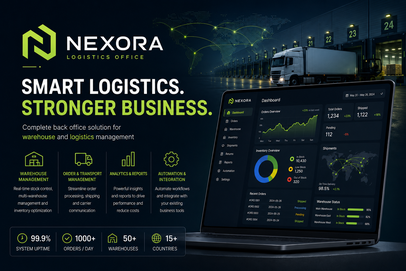
Warehouse and logistics management platform
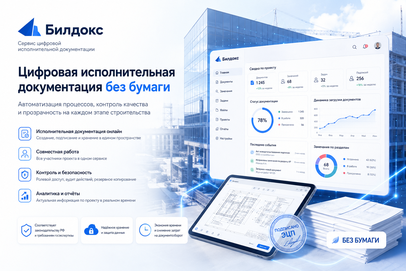
Digital as-built documentation
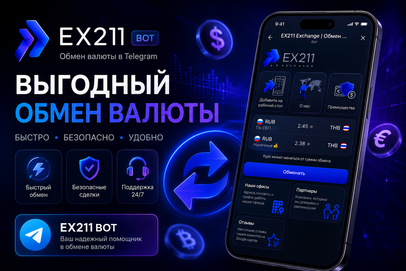
Telegram Mini App for currency exchange
Tell us about your domain
Bring the process, the constraint and the system you already run. If we have shipped something adjacent, you will get the case study on the call.
If we have not, we will say so — and often name someone who has.
Tell us what you need — we'll suggest the format and the timeline. We normally reply within one business day.
or write to us directly