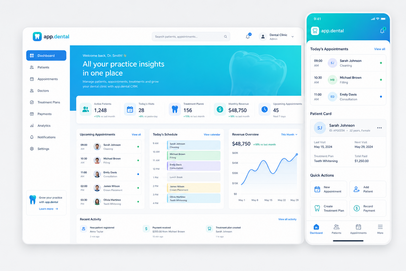
SAP to open-stack ERP migration
Manufacturer, 500+ employees. Phased migration off SAP ERP onto an open stack with custom modules — run in stages while the plant kept working.
- 0 downtime
- 8 mo migration
- −40% on licences

Integrations rarely fail because of code. They fail because two systems hold the same fact and nobody decided which one is right — and no iPaaS subscription decides that for you.
What we can show you
Which system owns which field, what happens on a duplicate, who pays for the other side's downtime. Answer those and the code is straightforward.
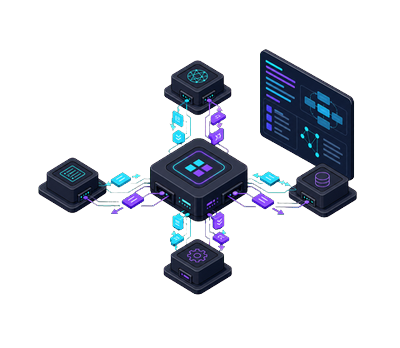
Two kinds of work live here. As an API development company we design and build the interface your partners, mobile apps or internal systems call — with versioning, authentication, rate limits and documentation that stays true. Integration: connecting systems that were never designed to talk, where the hard part is agreeing on ownership of data rather than on transport.
The first artefact we produce is an integration map: what data moves, in which direction, on what trigger, and which system wins when two disagree. Projects that skip that map spend their budget on reconciliation later.
An integration platform — SAP Integration Suite, MuleSoft, Workato and the rest — is a real alternative and sometimes the right one: it is fastest when both sides are mainstream products with ready connectors. It stops being right when the rules are yours: per-field ownership, reconciliation your finance team recognises, and error handling that matches how your business actually recovers. That is the work we take.
When the same data is entered twice; when an overnight export «sometimes does not arrive»; when duplicate orders appear after a retry. If a single scheduled CSV genuinely covers your case, we will say so — not every exchange needs an integration layer.
Price
From $7,990
Timeline
2–4 weeks per integration
Payment
50/50 by milestone
Both are right at different sizes, and the switch usually happens later than people expect.
Four mechanisms. The last one is what tells you the partner changed something before your users do.
Before any code: which system owns each field, what happens when both change it, and what the reconciliation rule is. Written down and signed off.
Most «integration bugs» are unwritten disagreements about ownership surfacing months later.
Every write takes an idempotency key; retries are assumed rather than exceptional. Duplicate orders and double charges are a design failure, not bad luck.
Failed messages land in a dead-letter queue with a replay path — their outage should not become your data loss.
Their documentation will be wrong at some point. Contract tests run against the real endpoints on a schedule and alert when the shape of a response changes.
This is the cheapest insurance in integration work and the piece most vendors skip.
Volumes, latency and failure rates per integration, plus periodic reconciliation reports that compare both sides and show the difference. On payment gateway integration services that reconciliation is the deliverable: money moved must match money recorded.
Documentation is OpenAPI plus an integration map a new engineer can read in an hour.
Four things we can prove, rather than four adjectives.

Not an upsell. Every integration ships with tests against the real partner endpoints, because their documentation will eventually be wrong.
Dead letters, alerts and a replay path. An integration that fails silently is worse than one that never worked, because the damage accumulates.
Ownership per field, direction and trigger, agreed before code. That document outlives the project and prevents the arguments.
Code and credentials live in your accounts, with rotation documented. Nothing about the integration depends on us still being here.
Industries
Every domain has its awkward partner: carriers and customs in logistics, portals in property, gateways and marketplaces in e-commerce — and CRM integration services everywhere.
Six answers that usually replace a discovery call.
REST by default, because it is easier to cache, monitor and hand over. GraphQL when clients genuinely need to shape their own queries. Both get versioning and generated documentation.
Every write endpoint takes an idempotency key and stores the result against it. Retries are normal traffic; duplicates are a design failure.
File exchange, database views, or scraping as a last resort — each with a written note about how fragile it is and what will break it.
You do, per field, in writing, before code. Our job is to make that decision explicit rather than to discover it during an incident.
Messages queue, failures land in a dead-letter queue with alerts, and there is a replay path once they recover. Their outage should not become your data loss.
OpenAPI for the interface plus an integration map — ownership, direction, triggers and failure modes — that a new engineer can read in an hour.
Manufacturer, 500+ employees. Phased migration off SAP ERP onto an open stack with custom modules — run in stages while the plant kept working.
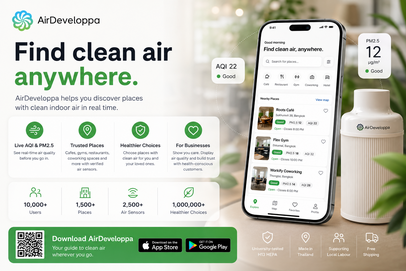
Indoor air quality finder driven by sensor data

Car-sharing app
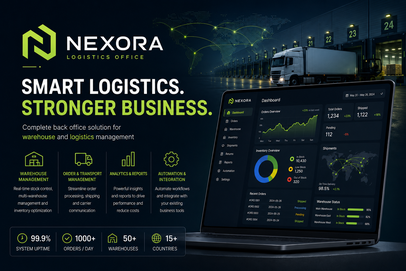
Warehouse and logistics management platform
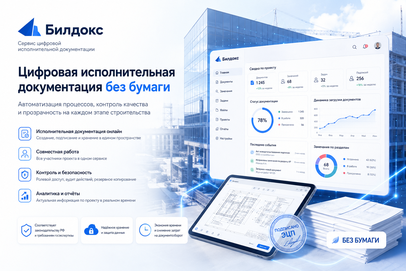
Digital as-built documentation
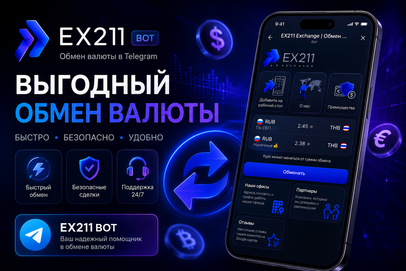
Telegram Mini App for currency exchange
Systems that disagree about the same data?
Send the list of systems and what moves between them. You get an integration map with ownership per field and a fixed quote for the first connection.
Tell us what you need — we'll suggest the format and the timeline. We normally reply within one business day.
or write to us directly