SAP to open-stack ERP migration
Manufacturer, 500+ employees. Phased migration off SAP ERP onto an open stack with custom modules — run in stages while the plant kept working.
- 0 downtime
- 8 mo migration
- −40% on licences

Node earns its place at the boundary — where your product meets other systems, other protocols and other people's uptime. That is where we use it.
What we can show you
Node earns its place at the boundary — where your product meets other systems, other protocols and other people’s uptime.
Node handles many concurrent connections cheaply, which makes it a natural fit for API gateways, integrations, webhooks and realtime features. It shares a language with the front end, so types and validation can be written once.
It is a poor fit for CPU-bound work, and adding it to a team that lives in PHP or Python doubles the maintenance surface for no benefit — that is a real cost, not a preference.
I/O-heavy work, integration layers, realtime features, and teams already writing TypeScript. If your bottleneck is computation rather than connections, we will point you elsewhere.
Price
From $7,990
Timeline
3 weeks to first release
Payment
50/50 by milestone
The choice that decides how the service looks in its second year.
Where this stack earns its place in a project, and what we would use instead if it did not.
Gateways and backend-for-frontend layers with typed contracts, so mobile and web clients stop negotiating with your core system directly.
Webhooks, third-party APIs, retries, idempotency and dead-letter handling — the plumbing that decides whether integrations wake you up at night.
Websockets, presence, queues and streams for products where waiting for a refresh is not acceptable.
When a service grows past a few endpoints, NestJS gives it structure that a new engineer can read without a tour.
The best stack is usually the one your team can maintain after we leave.
I/O-heavy work, integration-heavy products, teams already writing TypeScript, and anything where sharing types between front end and back end saves real time.
CPU-bound computation, and teams that live in PHP or Python — we will not add a second language to your stack for fashion.
Rates
$28–55/hour by role
Fixed builds
From $7,990
Discounts
Dedicated −10% · partners −15%
The part that is specific to this stack rather than true of every project.
Four things we can prove, not four adjectives.

Schemas validated where input arrives, so bad data fails at the edge rather than three layers deep.

The npm supply chain is the real risk here: we pin, audit in CI and keep the tree deliberately boring.

Their documentation will be wrong eventually; the tests are how you find out before your users do.

Node upgrades are maintenance with a test suite behind them, not an emergency every two years.
Industries
Node sits at the integration boundary of our logistics, e-commerce and SaaS work.
Answered by the people who would do the work, not by a sales team.
Express for small services with one job; NestJS once there are modules, background jobs and more than one developer. Migrating later is possible but rarely free.
Pinned versions, automated audit in CI, a deliberate minimum of dependencies, and a review before anything new joins the tree.
Yes — that is one of the main reasons to pick this stack, and we set it up so the types are generated rather than copied.
Planned as maintenance work with a test suite behind it, not as an emergency when support ends.
Yes, starting with a short audit of the dependency tree, the test coverage and the deployment path.
Manufacturer, 500+ employees. Phased migration off SAP ERP onto an open stack with custom modules — run in stages while the plant kept working.
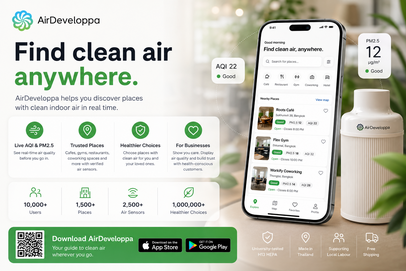
Indoor air quality finder driven by sensor data

Car-sharing app
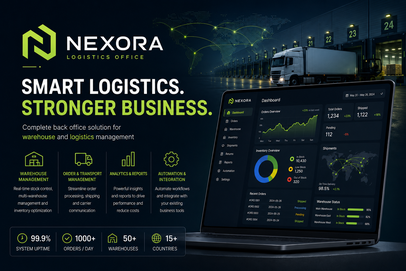
Warehouse and logistics management platform
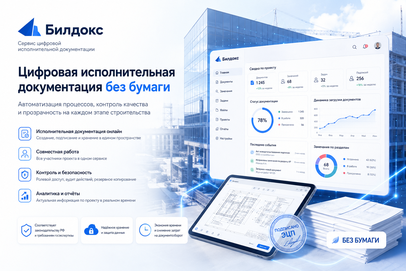
Digital as-built documentation

Telegram Mini App for currency exchange
Need this stack with a senior review included?
Tell us what exists today — a green field, a legacy codebase, or a team that needs two more pairs of hands. We answer with a scope, a price and a date.
We do not take work on a stack we cannot review internally at senior level.
Tell us what you need — we'll suggest the format and the timeline. We normally reply within one business day.
or write to us directly