SAP to open-stack ERP migration
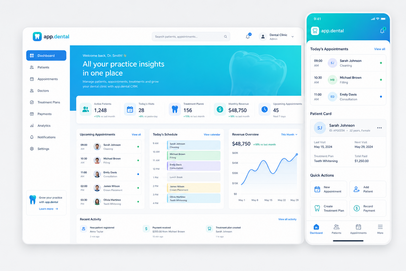
Manufacturer, 500+ employees. Phased migration off SAP ERP onto an open stack with custom modules — run in stages while the plant kept working.
- 0 downtime
- 8 mo migration
- −40% on licences

Every AI project that stalls has the same first slide: the data existed, and nobody could vouch for it.
What we can show you
Ingestion, transformation, storage, quality, observability. A dashboard on top of untested data is a confident-looking guess.
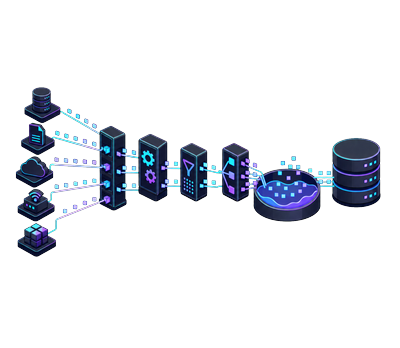
A data platform is five layers. Ingestion pulls from applications, APIs and files on a schedule that can be re-run safely. Transformation turns raw rows into the shapes the business talks in. Storage keeps both, because the raw copy is your only way to fix a mistake later. Quality tests the data the way you test code. Observability tells the owner when something stopped arriving.
The fifth layer is the one that gets skipped, and it is why so many companies have dashboards nobody trusts. We build data platforms so that a wrong number is loud, not quiet.
When two reports disagree and nobody can say which is right; when an AI or analytics project is spending most of its time on data rather than on modelling; when a person re-runs an export by hand every Monday. If a single managed database and three queries still cover you, we will say so rather than sell a warehouse.
Price
Audit $1,790, builds from $7,990
Timeline
Audit in 5 days
Payment
50/50 by milestone
The expensive answer is not always the right one — and this is the comparison vendors avoid.
Data tests are the part that distinguishes engineering from scripting — they come with the first pipeline, not later.
Freshness, completeness, uniqueness, referential integrity and business rules — checked on every run. Failures quarantine the bad rows and alert the owner rather than dropping them quietly.
A pipeline that hides bad data is worse than no pipeline: it converts a visible problem into an invisible one.
Every source gets a written contract: fields, types, expected volume and what happens when the application team changes a schema without telling anyone.
Schema drift is the most common cause of silent breakage, so it gets its own alert.
Idempotent loads, partitioned by time, with backfill built in. Re-running yesterday must produce the same result, not duplicates.
Raw data is kept as it arrived, because the only way to fix a transformation mistake later is to still have the original.
Code in your repository, infrastructure as code, documented lineage and a runbook. The business owner of each number is named in the documentation.
Where the goal is AI, this is the layer that makes it possible — see AI development.
Four things we can prove, rather than four adjectives.
Postgres or a managed warehouse, a scheduler your team can read, dbt where transformations justify it. Fashionable stacks are expensive to hire for and hard to hand over.
Alerts go to a named owner with the failing check and the affected rows, not to a channel everyone has muted.

Three reliable pipelines often beat a warehouse programme nobody staffs. Recommending the smaller project is part of the job.
Everything lives in your accounts, with lineage and a runbook. The platform survives us leaving, which is the only real test of a handover.
Industries
The hard questions differ by domain: stock accuracy in logistics, commission truth in property, unit economics in e-commerce.
Six answers that usually replace a discovery call.
With an audit: sources, volumes, quality profile, the reports in use today and who owns which number. $1,790, credited against the build.
Not always. Three reliable pipelines and a managed database often beat a warehouse programme nobody has the people to staff.
Deliberately boring ones: Postgres or a cloud warehouse, Airflow or a managed scheduler, dbt where the transformations justify it, Python for the rest.
That is the most common reason clients arrive here. Retrieval quality and evaluation depend on the data layer more than on the model.
It is quarantined and the owner is alerted, never silently dropped. Hiding bad rows turns a visible problem into an invisible one.
You do: code in your repository, infrastructure as code, documented lineage and a runbook your team can follow without us.
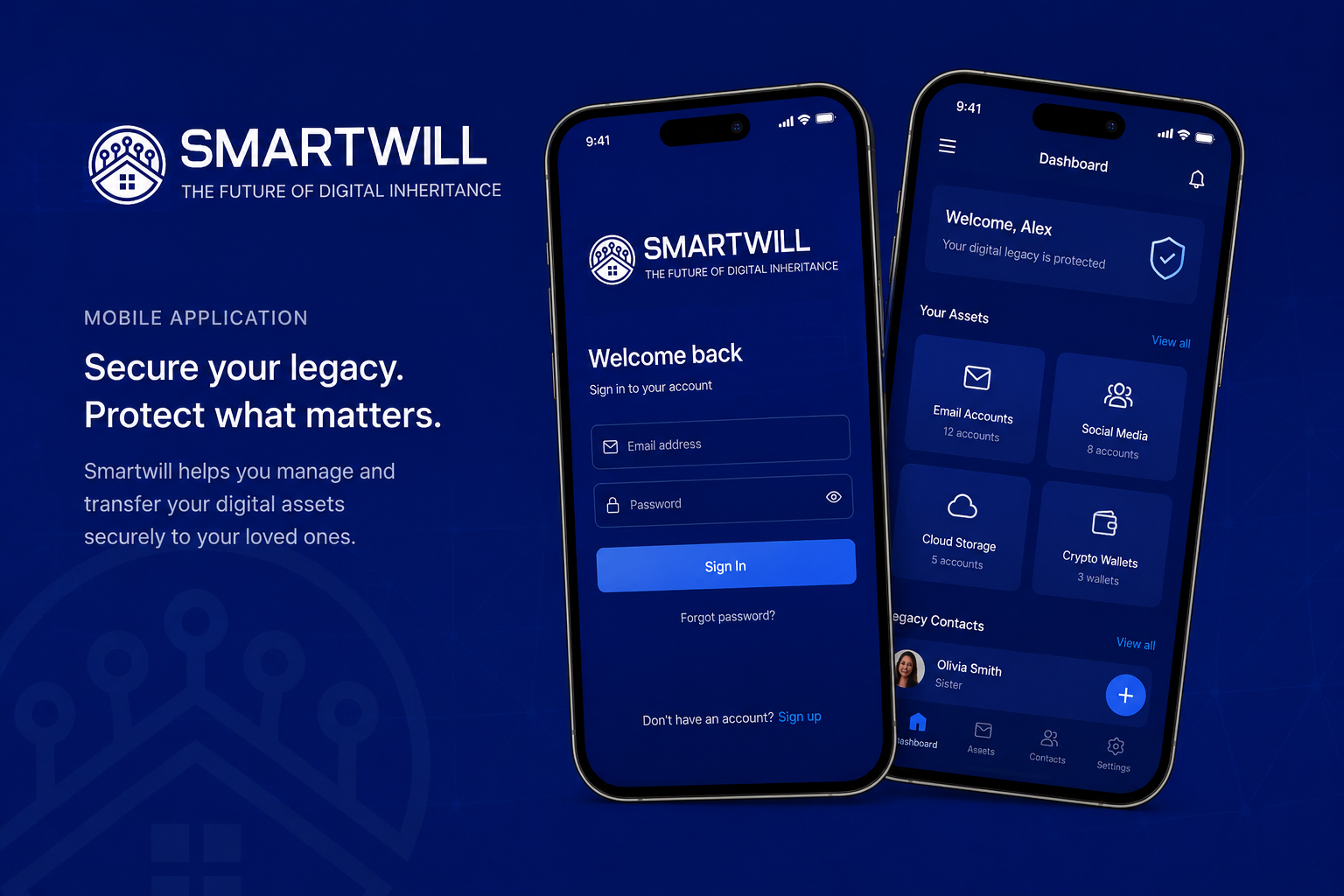
Manufacturer, 500+ employees. Phased migration off SAP ERP onto an open stack with custom modules — run in stages while the plant kept working.
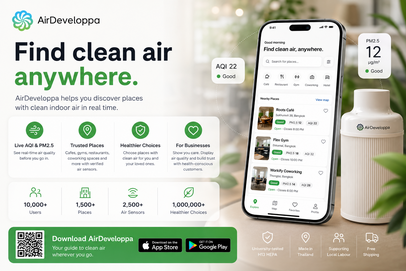
Indoor air quality finder driven by sensor data

Car-sharing app
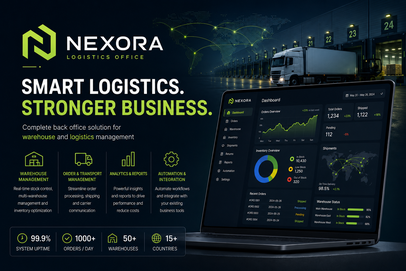
Warehouse and logistics management platform
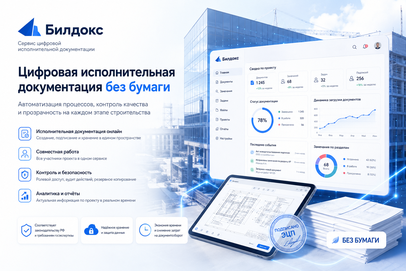
Digital as-built documentation

Telegram Mini App for currency exchange
Have data nobody trusts?
Send the list of sources and the report that is currently disputed. You get a quality profile, the three fixes with the highest payoff and a fixed quote for the first pipeline.
Tell us what you need — we'll suggest the format and the timeline. We normally reply within one business day.
or write to us directly