SAP to open-stack ERP migration
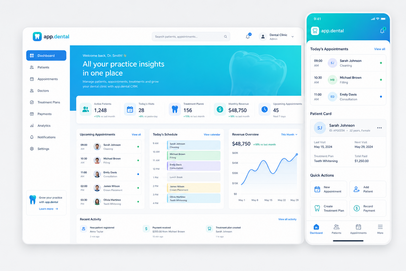
Manufacturer, 500+ employees. Phased migration off SAP ERP onto an open stack with custom modules — run in stages while the plant kept working.
- 0 downtime
- 8 mo migration
- −40% on licences

A system that has been earning money for eight years is an asset, not an embarrassment. The skill is knowing which parts to keep, which to strangle and which to leave exactly as they are.
What we can show you
One question decides it: does the data model still match how the business works? Everything else is implementation detail.
Most legacy systems are not bad code. They are code whose context was lost: the people left, the documentation was never written, and the business rules survive only as behaviour. That is exactly why a rewrite from scratch loses more than it gains — it throws away the only written record of how the company works.
Modernisation means making change safe again: characterisation tests around the parts nobody understands, a supported platform version, dependencies that still receive security fixes, and a deployment anyone on the team can run. The system keeps earning throughout.
Modernise when the data model still fits the business — then the rules inside are worth more than the code around them. Rewrite when the domain has changed beyond what the schema can express, or when the system solves a problem you no longer have. We cost both options before recommending one, because the wrong choice here is expensive in both directions.
Price
Audit $1,790, work from $7,990
Timeline
Audit in 5 days
Payment
50/50 by milestone
Both options costed honestly, including the case where the rewrite wins and the engagement gets smaller for us.
Four mechanisms, in this order. Skipping the first one is how modernisation turns into an outage.
We capture what the system does today — including its bugs — so a refactor can be proven not to change behaviour. Without this step, every later change is a guess with your revenue.
Refactoring never changes behaviour. If we find a bug on the way, we report it and price the fix separately rather than quietly «improving» something operations depend on.
New code beside old, traffic moved module by module, rollback available at every step. The business never stops, and no single day carries the whole risk.
Each module ships with its own acceptance criteria, so «done» is a check rather than an opinion.
Every migration is rehearsed on a copy first: row counts, referential integrity, a data-quality report and a documented cutover plan with a rollback window.
Our database migration services cover engine to engine and on-premise to managed — the part where teams lose data quietly, so it gets its own rehearsal and its own sign-off.
CI/CD, infrastructure as code, monitoring and a runbook a new engineer can follow. A modernised system that only one person can deploy is still legacy.
Long-term support is available afterwards from $790 a month, once the audit has told us what we are agreeing to support.
Four things we can prove, rather than four adjectives.

230+ projects, and a large share of them started as somebody else's codebase. Reading unfamiliar systems is the skill this service is actually made of.

No cutover day that decides everything. Traffic moves module by module and every step has a way back — that is what lets the business keep trading during the work.

We quote modernisation and rewrite side by side before recommending one. The option that bills more hours is not automatically the one we push.
Code, infrastructure as code and documentation live in your accounts. After the work you own a system another team can run.
Industries
Old systems cluster where processes are old: warehouses, manufacturing lines, property back offices and finance departments.
Seven answers that usually replace a discovery call.
Repair unless the data model no longer matches the business or the domain has changed beyond what the schema can express. We cost both options and show the numbers before recommending one.
Usually: parallel environments, traffic moved module by module and rollback at each step. Unavoidable windows are agreed in advance and kept short.
Then that is step one. Characterisation tests capture current behaviour, bugs included, so a refactor can be proven not to change it.
Yes, with a dry run on a copy, a data-quality report and a documented cutover plan with a rollback window.
No. Most systems need three well-drawn boundaries, not thirty services. We will tell you when the monolith should stay and be cleaned up instead.
Often the fastest setup: they hold the domain knowledge, we bring the modernisation discipline and the review process.
Dependencies, security exposure, test coverage, deployment path and the flows that carry money, with a prioritised plan. $1,790, credited against the work that follows.
Manufacturer, 500+ employees. Phased migration off SAP ERP onto an open stack with custom modules — run in stages while the plant kept working.
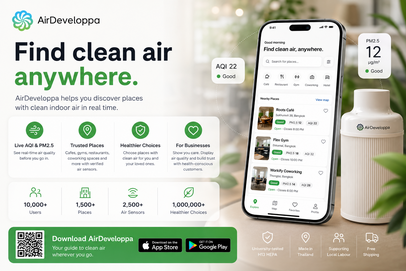
Indoor air quality finder driven by sensor data

Car-sharing app
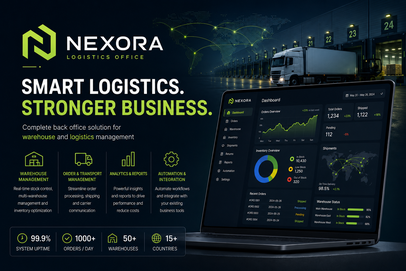
Warehouse and logistics management platform
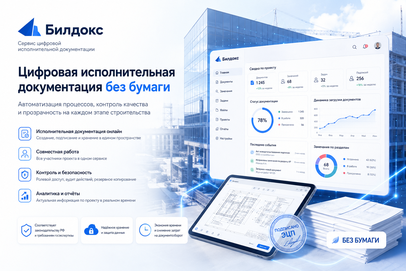
Digital as-built documentation

Telegram Mini App for currency exchange
Have a system nobody wants to touch?
Send the stack, the version and what breaks most often. You get an audit plan and a fixed quote for the first safe step — and an honest answer if a rewrite is cheaper.
Tell us what you need — we'll suggest the format and the timeline. We normally reply within one business day.
or write to us directly