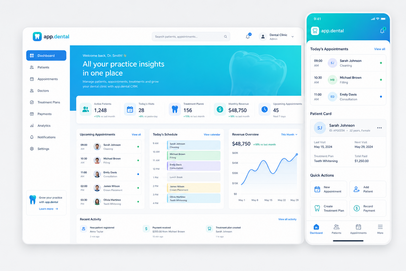
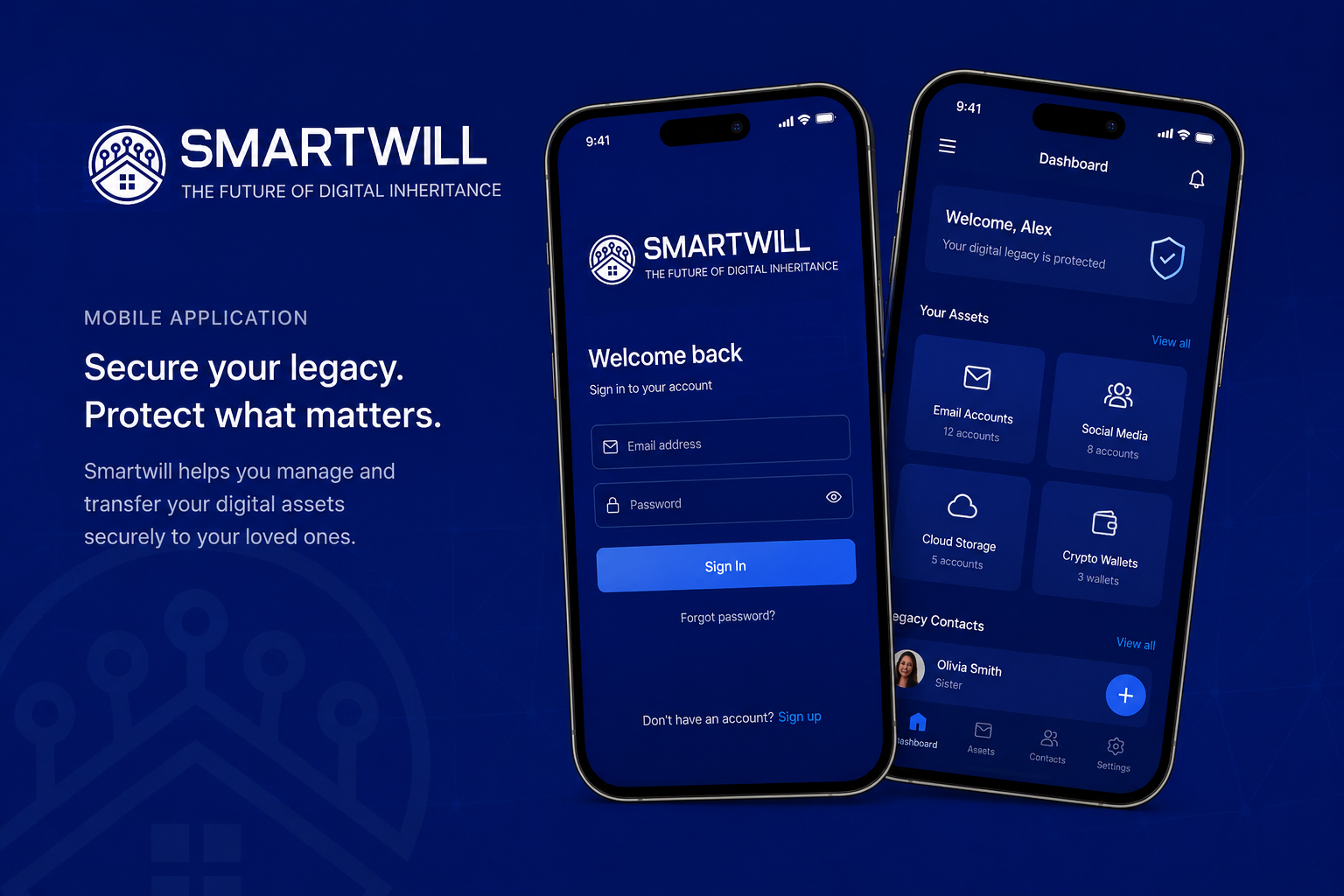
SAP to open-stack ERP migration
Manufacturer, 500+ employees. Phased migration off SAP ERP onto an open stack with custom modules — run in stages while the plant kept working.
- 0 downtime
- 8 mo migration
- −40% on licences

The app is the easy part. The budget goes on everything around it: store review, offline behaviour, payments, push permissions and the OS updates that arrive whether you planned or not.
What we can show you
Screens are maybe half the work. The other half is store delivery, offline rules, payments and the maintenance nobody quotes for.
One codebase for iOS and Android is the default because the saving is real: a single team, a single release cadence, and shared logic with a React web product. For standard product interfaces the result is indistinguishable from native to the person using it.
Native stops being optional when the app is graphics-heavy, uses AR, processes media, or lives deep inside OS features. In those cases we say «go native» and lose the cheaper deal, because the alternative is a project that fights its framework for a year.
When the job is done away from a desk, needs the camera, GPS, push or offline, or when the store itself is a distribution channel you need. If the honest answer is «a responsive web app would do this», that costs less and we will say so on the first call.
Price
From $18,900
Timeline
6–8 weeks to both stores
Payment
50/50 by milestone
The honest comparison, including the cases where native wins and the project costs you roughly twice as much.
Four areas that decide whether an app ships on time — and none of them appear in a design file.
Submission and the review back-and-forth under your developer accounts, staged rollouts, and the metadata that reviewers actually check.
First submissions get rejected for predictable reasons: permissions without justification, account deletion missing, payment rules. We handle those before they cost a week.
Conflict rules agreed before the first screen: what wins when the same record changed in two places, what queues, what retries, what the user sees while it waits.
Retrofitting offline into a shipped app is a rewrite, which is why it is a scoping question rather than a later feature.
In-app purchases with server-side receipt validation, or external payments where store rules allow. Reconciliation is part of the work, not an afterthought.
Store commission and payment provider fees are yours and paid at cost.
A device matrix that includes the cheap Android your users actually own, crash reporting and performance budgets from the first build.
Mobile decays faster than web: OS versions, store policies and dependencies move constantly. Care from $790 a month exists because an unmaintained app breaks on its own.
Four things we can prove, rather than four adjectives.

Developer accounts, signing certificates, repository and analytics stay in your name from day one. IP is assigned at delivery with a documented chain of title.

Scope is written into the SOW with an out-of-scope list, and on packages with a date commitment we keep working at no extra cost if we miss it for reasons on our side.

If a responsive web app or a no-code tool does the job, that is the recommendation. Losing a small deal is cheaper than delivering a product nobody needed.

Care plans from $790 a month cover OS versions, store policy changes and dependency updates — the costs that surprise first-time founders three months after launch.
Industries
Mobile lands first where the work happens away from a desk: drivers and warehouses in logistics, agents in property, technicians in field service.
Seven answers that usually replace a discovery call.
From $18,900 for a focused first version on both stores; $35,900 and up for a product with payments, offline sync and integrations. Hourly work is $28–55 by role.
Cross-platform unless the app is graphics-heavy, uses AR or lives deep inside OS features. We recommend native when it is right, even though it is the more expensive project for you.
React Native when you share code and hiring with a React web team; Flutter when the UI is highly custom and the team knows Dart. See React Native and Flutter.
Yes, including the review back-and-forth, under your developer accounts, with staged rollouts.
Sync and conflict rules are agreed before the first screen. Retrofitting offline into a shipped app is a rewrite, so it belongs in scoping.
Care from $790 a month: OS versions, store policy changes, dependency updates and crash triage. Mobile decays faster than web, so this is a real line in the budget.
You do, from day one — developer accounts, certificates, repository and IP. Nothing is held as leverage at renewal.
Manufacturer, 500+ employees. Phased migration off SAP ERP onto an open stack with custom modules — run in stages while the plant kept working.
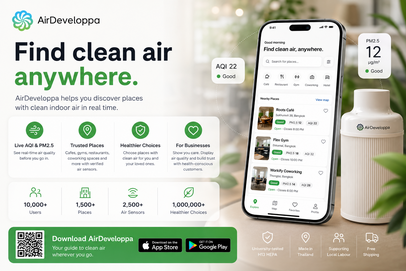
Indoor air quality finder driven by sensor data

Car-sharing app
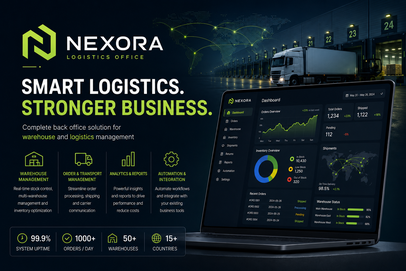
Warehouse and logistics management platform
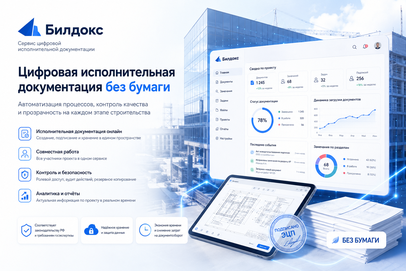
Digital as-built documentation
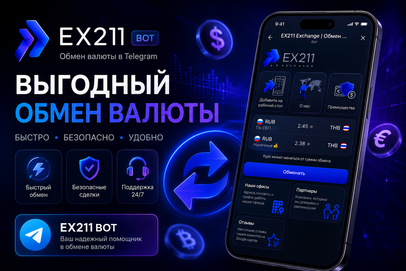
Telegram Mini App for currency exchange
Not sure whether you need an app or a better mobile web?
Describe the flow and who uses it. You get a platform recommendation with the reasoning — including «you do not need an app» when that is true — and a fixed quote for the first version.
Tell us what you need — we'll suggest the format and the timeline. We normally reply within one business day.
or write to us directly