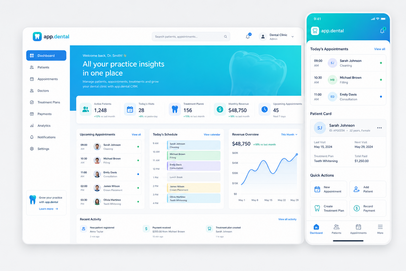
SAP to open-stack ERP migration
Manufacturer, 500+ employees. Phased migration off SAP ERP onto an open stack with custom modules — run in stages while the plant kept working.
- 0 downtime
- 8 mo migration
- −40% on licences

Most teams do not need Kubernetes. They need a build that cannot be skipped, an environment that can be rebuilt, monitoring that pages a human and a runbook that works at 3am.
What we can show you
Infrastructure as code, CI/CD, observability, and an on-call story. Everything else in this field is tooling preference.
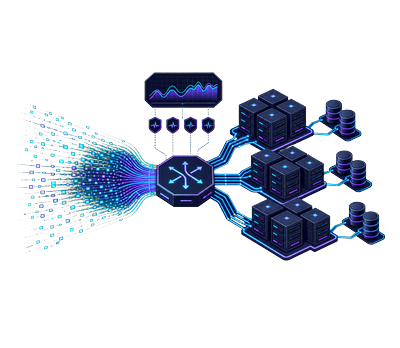
DevOps in practice is four mechanisms. Infrastructure as code, so an environment is a command rather than a memory. CI/CD, so a red build cannot reach production and a bad release can be rolled back in minutes. Observability — logs, metrics and alerts that page a person before a customer calls. And an on-call story: who responds, in which hours, following which runbook.
Notice what is not on that list: a specific orchestrator. Kubernetes is a tool for a scale most products never reach, and we regularly talk teams out of it. What we will not do is leave you with infrastructure only one person understands — including when that person is us.
When deployment is manual, environments differ, or the person who built the infrastructure is the only one who can rebuild it. Also when the cloud bill has stopped being explainable — right-sizing is unglamorous and pays for the engagement.
Price
Audit $1,790, setup from $7,990
Timeline
Audit in 5 days
Payment
50/50 by milestone
The comparison people rarely make out loud, including the case where hiring wins.
The Kubernetes question comes up on every second call, so it gets an honest answer here rather than in a sales meeting.
Usually not. Managed containers, a managed database and a queue cover most products at far lower operational cost. Kubernetes earns its complexity when you run many services with independent scaling, or a platform team already exists.
If the honest answer for you is «no», we say it — even though the simpler setup is the smaller engagement.
Terraform or equivalent, one definition, different sizes. Staging that differs from production in unwritten ways is the root cause of a large share of «works on my machine» incidents.
Nothing is configured by hand in a console: a hand-built environment is a new bus factor of one.
Tests, linting and security checks in CI; a red build cannot reach production; deploys are staged with a rollback that has been rehearsed rather than assumed.
Secrets live in a secret manager with documented rotation — not in the repository and not in a spreadsheet.
Logs, metrics, traces and alerts that page a human before a customer calls, with thresholds tuned so nobody learns to ignore them.
On-call is written down: who responds, in which hours, following which runbook. Business hours as standard, 24/7 by separate agreement with an escalation path.
Four things we can prove, rather than four adjectives.

The recommendation is the simplest thing that meets the requirement. Selling you a platform you cannot operate is a support ticket waiting to happen.
A restore drill is part of the audit. A backup nobody has restored is a belief, not a backup.

Cloud, repository, CI and secret manager stay yours. The runbook is written so another team can take over without calling us.

A monthly look at the invoice line by line: right-sizing, lifecycle rules and idle resources. Unglamorous, and it usually pays for the retainer.
Industries
Uptime means different things by domain: a warehouse cannot pause, a property portal cannot drop listings, a SaaS cannot lose a tenant's data.
Six answers that usually replace a discovery call.
Usually not. Managed services and containers cover most products; Kubernetes earns its complexity above a certain scale, and we will tell you where that line sits for you.
Environments, deployment path, secret handling, backups and a restore drill, monitoring coverage, a cost breakdown and a prioritised plan. $1,790, credited against the setup.
Yes: pipelines that block a red build, staged deploys and a rehearsed rollback — all inside your accounts, with no lock-in to us.
Business-hours response as standard, 24/7 by separate agreement with a written escalation path. We do not quietly imply round-the-clock cover we have not agreed.
A secret manager, no credentials in the repository, and rotation that is documented and tested. If secrets currently live in a spreadsheet, that is the first thing the audit flags.
Often. Right-sizing, lifecycle rules and removing idle resources are the boring wins, and we show the breakdown before promising a number.
Manufacturer, 500+ employees. Phased migration off SAP ERP onto an open stack with custom modules — run in stages while the plant kept working.
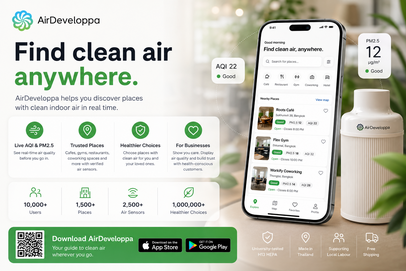
Indoor air quality finder driven by sensor data

Car-sharing app
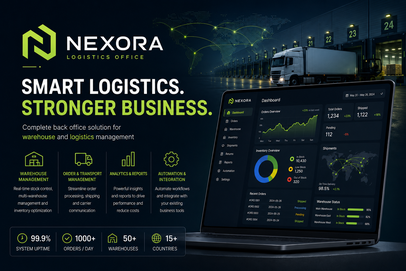
Warehouse and logistics management platform
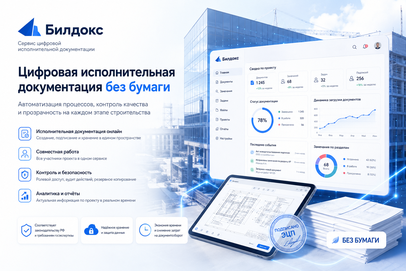
Digital as-built documentation
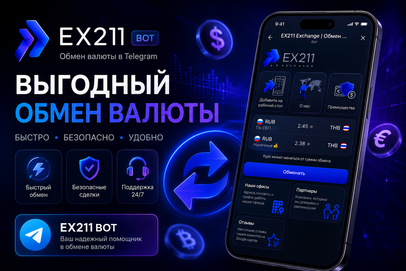
Telegram Mini App for currency exchange
Deploying by hand and finding out about outages from customers?
Send your stack and how a release happens today. You get an audit plan, the three changes with the highest payoff, and a fixed quote for the setup.
Tell us what you need — we'll suggest the format and the timeline. We normally reply within one business day.
or write to us directly