SAP to open-stack ERP migration
Manufacturer, 500+ employees. Phased migration off SAP ERP onto an open stack with custom modules — run in stages while the plant kept working.
- 0 downtime
- 8 mo migration
- −40% on licences

Anyone can build the feature. A SaaS is what surrounds it — tenants that cannot see each other, plans with limits that are actually enforced, billing that survives a failed card, and an admin your support team can use at 2am.
What we can show you
A SaaS is the machinery around the feature: tenancy, billing, limits, onboarding and an admin your support team can survive.
A SaaS is the machinery around the feature: tenants that cannot see each other, plans with limits enforced in code, billing that survives a failed card, onboarding that works without a call, and an admin panel your support team can use at 2am.
Skip that machinery and you have an application you cannot sell repeatedly. Most rescues we take on in this category are products that grew from a single-customer build and hit tenancy on customer number three.
When you intend to sell the same product more than a handful of times. Retrofitting isolation into live customer data is the most expensive mistake in this category — roughly a third more up front buys you out of it entirely.
Price
From $35,900
Timeline
2–3 months
Payment
By milestone
Seven areas where products get stuck a month after launch, in the order they usually go wrong.
Tenancy. Isolation model chosen deliberately — row-level, schema or database — enforced server-side and covered by a tenant-crossing test suite.
Billing. Plans, seats, usage metering, trials, dunning, proration, tax. Stripe or Paddle depending on where your buyers are and who should be merchant of record.
Limits. Plan entitlements enforced in code, not in the marketing page.
Roles. Organisation, team, member, invitations — and SSO when the first enterprise deal arrives.
Onboarding. Self-serve from signup to first value, instrumented so you can see where it breaks.
Admin. Impersonation with an audit trail, refunds, plan changes, feature flags.
Observability. Per-tenant errors and performance, so you find out before the customer emails.
Multi-tenant v1
From $35,900
Timeline
2–3 months
Single-tenant tool
From $18,900
This decision is cheap now and expensive to change once you have paying customers in thirty countries.
Four things we can prove, not four adjectives.

Row-level, schema or database isolation chosen on your risk profile and covered by a tenant-crossing test suite — not left to whoever writes the next query.

Trials, proration, dunning, failed cards and tax. We implement Stripe or a merchant of record depending on who your buyers are.

Plan entitlements live in the application, not in the marketing page, so an upgrade path actually exists.

Impersonation with an audit trail, refunds, plan changes and feature flags — the tooling that decides how expensive support becomes.
Industries
We build SaaS for the domains we know: logistics, property, e-commerce operations and B2B services.
Including the accounting one nobody wants to ask their developer.
From $35,900 for a multi-tenant v1 with billing and roles. The tenancy model and billing complexity drive the number far more than the feature list does.
Yes, if the data model anticipates it — which is how we build by default. Retrofitting isolation into a live product is the most expensive mistake in this category.
Enterprise invoicing: Stripe. Global self-serve with tax handled for you: Paddle. We implement either.
In many jurisdictions the build phase can be capitalised while research and post-launch maintenance are expensed. We give your accountant a phase breakdown of hours so they can make that call — the call itself is theirs, not ours.
Configuration and feature flags first, code forks never. If a customer genuinely needs custom code, that is a services engagement with its own price.
We build the controls that make an audit possible — access logs, change management, backups, reviews. We do not sell the certificate itself, and the boundary is written into the SOW.
Manufacturer, 500+ employees. Phased migration off SAP ERP onto an open stack with custom modules — run in stages while the plant kept working.
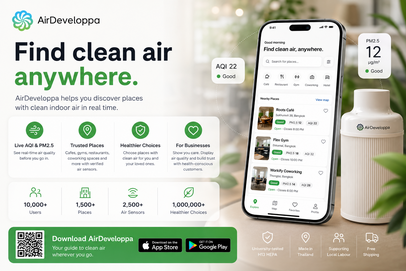
Indoor air quality finder driven by sensor data

Car-sharing app
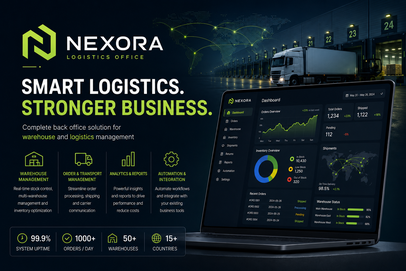
Warehouse and logistics management platform
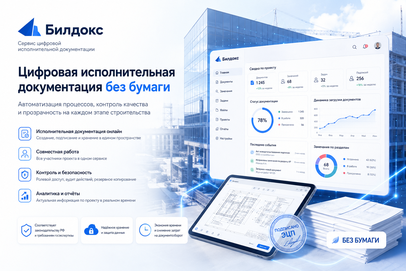
Digital as-built documentation

Telegram Mini App for currency exchange
Bring your pricing page, not your feature list
How you plan to charge tells us more about the architecture than a list of screens does — plans, seats and limits shape the data model.
One week of scoping turns that into a fixed quote you can take to a board.
Tell us what you need — we'll suggest the format and the timeline. We normally reply within one business day.
or write to us directly