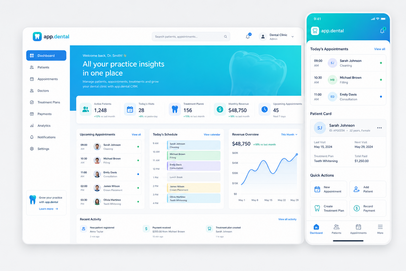
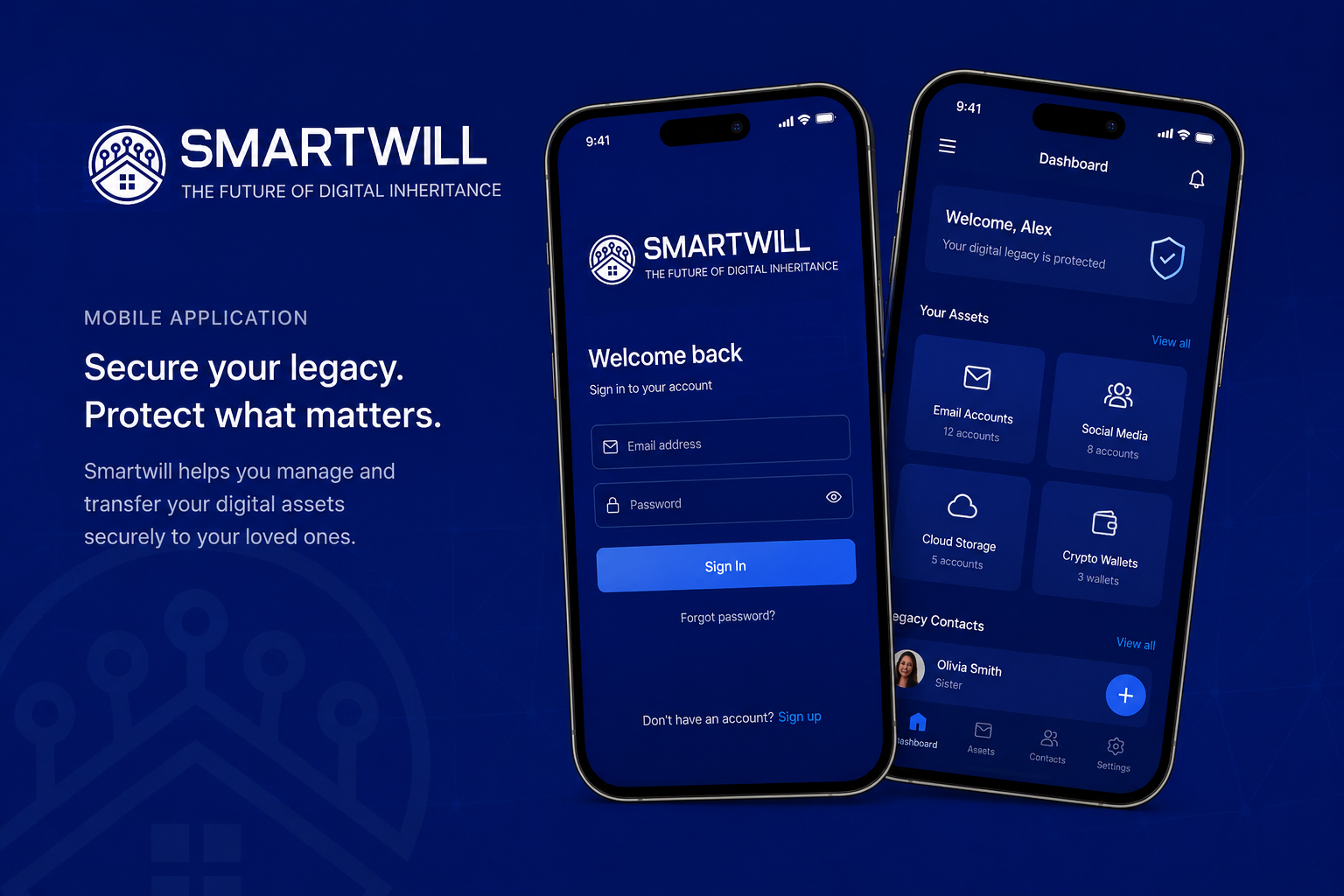
SAP to open-stack ERP migration
Manufacturer, 500+ employees. Phased migration off SAP ERP onto an open stack with custom modules — run in stages while the plant kept working.
- 0 downtime
- 8 mo migration
- −40% on licences

Angular is what companies pick when the application will outlive the team that wrote it. That is also why so many of them are sitting four majors behind.
What we can show you
Angular is a framework, not a library: routing, forms, dependency injection and testing come in the box, so five developers write code that looks like one person wrote it.
That structure is why Angular survives team changes better than most front ends — and why it is common in banks, insurers and internal enterprise tools. What comes with it is version discipline: Angular ships majors on a schedule, and a project that skips them accumulates a migration debt that is invisible until hiring gets hard.
So an honest Angular engagement has two halves: the features you want, and the version position you need to be in a year from now. We quote both.
Large, long-lived applications with many forms and rules, teams that will change over the years, and organisations that value predictable hiring over the newest thing. For a small interactive widget or a content site, it is more framework than the job needs.
Price
From $7,990
Timeline
3 weeks to first release
Payment
50/50 by milestone
The choice is about team size and how long the application has to live — not about which framework is trending.
Where this stack earns its place in a project, and what we would use instead if it did not.
Forms, roles, tables and approvals — the screens people work in all day, built on a component library rather than copy-paste.
From any major back to 2.x to current LTS, incrementally, with tests as the safety net rather than hope.
1.x applications moved forward in hybrid mode, screen by screen, or rewritten where custom directives make hybrid the more expensive path.
Angular on top of a system you already run — see API and integration.
The best stack is usually the one your team can maintain after we leave.
Long-lived applications with many forms, roles and rules, several developers, and a hiring plan that has to be predictable rather than lucky.
A small marketing site or a single interactive widget: that is a heavier framework than the job needs, and we will say so.
Rates
$28–55/hour by role
Fixed builds
From $7,990
Discounts
Dedicated −10% · partners −15%
The part that is specific to this stack rather than true of every project.
Four things we can prove, not four adjectives.

Characterisation tests around the money flows first, then one major at a time with a rollback at every step. That is the difference between an upgrade and an outage.

Hybrid mode or screen-by-screen rewrite, costed side by side before you decide — we do not push the option that bills more hours.

Code, CI and infrastructure in your accounts, IP assigned at delivery with a documented chain of title.

WCAG AA on the flows that matter, checked with keyboard and screen reader — the requirement that shows up in enterprise procurement after the contract is signed.
Industries
Angular sits in front of our logistics, property and enterprise back-office work — the domains where a screen has forty fields and each of them has a rule.
Answered by the people who would do the work, not by a sales team.
Current LTS by default, upgrades from any major back to 2.x, and AngularJS 1.x rescue as its own scope with its own quote.
Angular when the app will be large, long-lived and touched by many hands; React when the interface is the product and the team is small. We recommend against ourselves when React is the answer.
Usually yes: hybrid mode, screen by screen, with rollback at each step. Where most of the code is custom directives, a rewrite is often cheaper — we show both numbers first.
Yes: Jasmine or Jest on logic, Playwright or Cypress on the flows that make money. Upgrading a framework without tests is guesswork with your revenue.
Yes, after a paid audit of dependencies, module structure and test coverage — that audit is what makes the estimate honest.
Yes, including the design system. Or we implement your designer's work and tell you which screens will be expensive before they are built.
Manufacturer, 500+ employees. Phased migration off SAP ERP onto an open stack with custom modules — run in stages while the plant kept working.
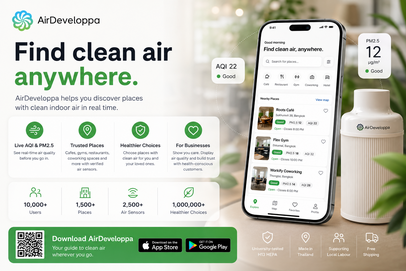
Indoor air quality finder driven by sensor data

Car-sharing app
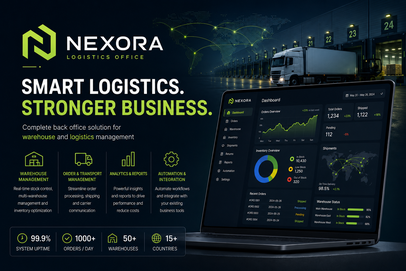
Warehouse and logistics management platform
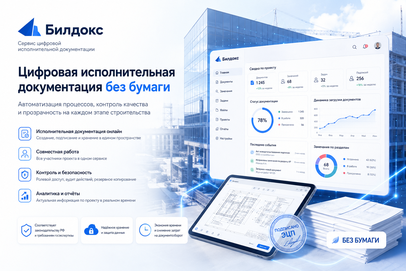
Digital as-built documentation
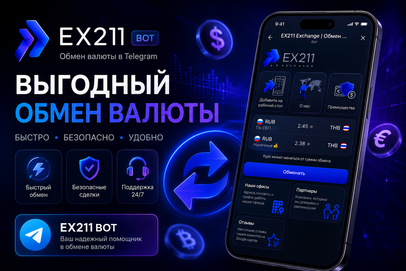
Telegram Mini App for currency exchange
Need this stack with a senior review included?
Tell us what exists today — a green field, a legacy codebase, or a team that needs two more pairs of hands. We answer with a scope, a price and a date.
We do not take work on a stack we cannot review internally at senior level.
Tell us what you need — we'll suggest the format and the timeline. We normally reply within one business day.
or write to us directly