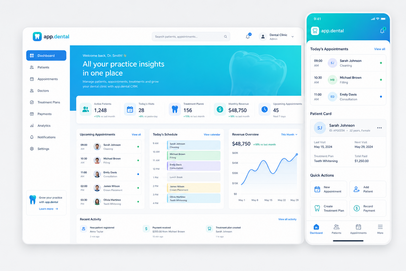
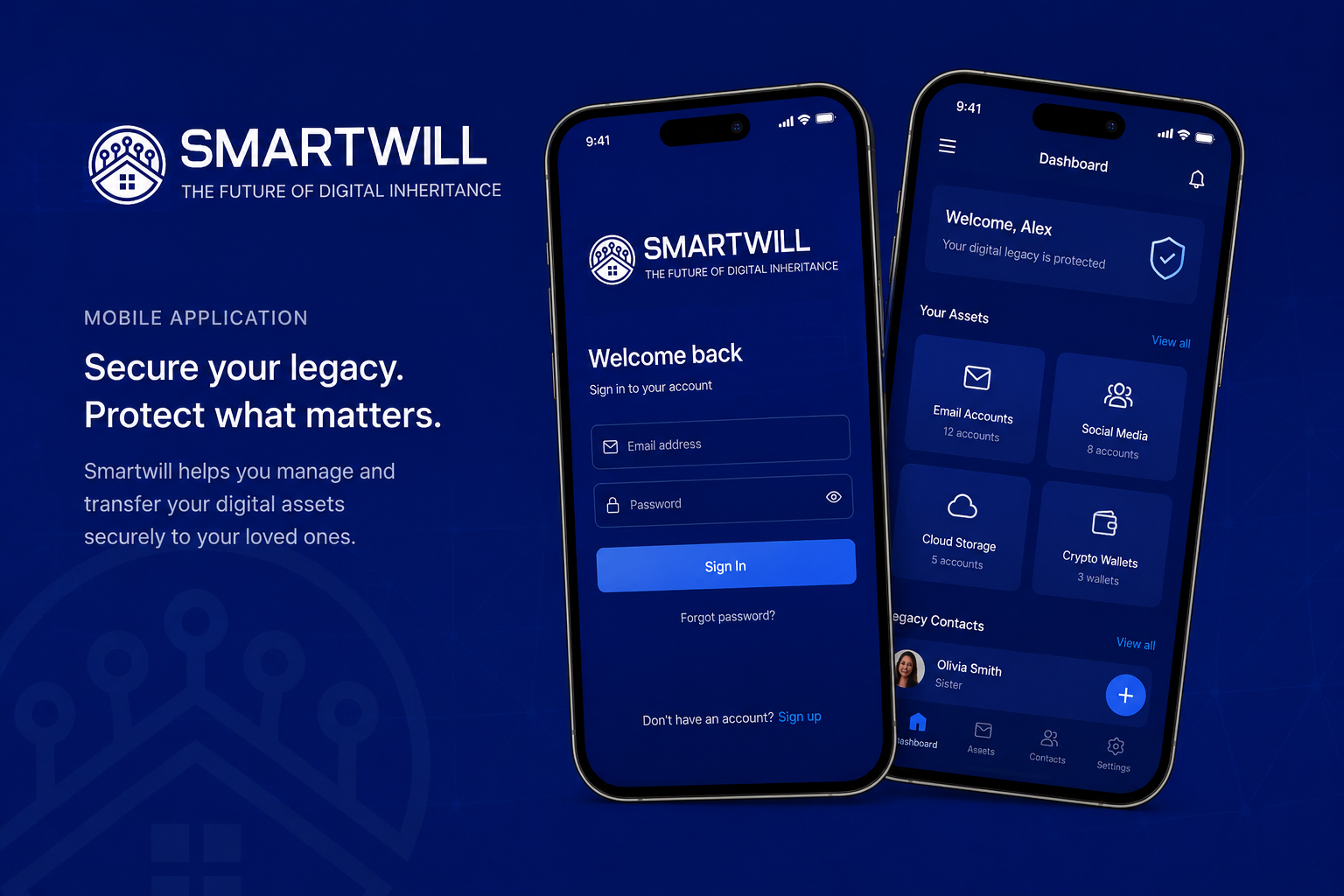
SAP to open-stack ERP migration
Manufacturer, 500+ employees. Phased migration off SAP ERP onto an open stack with custom modules — run in stages while the plant kept working.
- 0 downtime
- 8 mo migration
- −40% on licences

Cross-platform makes sense when the app is a product surface, not a platform showcase. We build the version that survives store review, offline commuters and a phone from 2019.
What we can show you
One codebase for two stores makes sense when the app is a product surface rather than a platform showcase.
React Native renders native components from one JavaScript codebase, so a single team ships iOS and Android together and shares logic with a React web app. The saving is real, and it is in team size and release cadence rather than in raw code volume.
The cost is at the edges: deep OS integration, heavy graphics and some gestures need native modules, and someone has to own the store submission cycle that no framework removes.
Standard product interfaces, a team that already knows React, and two platforms on one budget. Not the answer for AR, heavy media processing or anything where a frame drop is a business problem.
Price
From $7,990
Timeline
3 weeks to first release
Payment
50/50 by milestone
The honest comparison, including the cases where we recommend native and lose the cheaper deal.
Where this stack earns its place in a project, and what we would use instead if it did not.
Consumer and B2B apps where the interface is standard product UI and the value is in the flows, not in custom gestures.
Mobile front ends for a web product you already have, sharing logic and types with the existing codebase.
Offline-tolerant flows for people in vans and warehouses, with sync conflict rules agreed before the first screen.
Submission and review cycles under your developer accounts, staged rollouts, crash reporting and over-the-air updates within store policy.
The best stack is usually the one your team can maintain after we leave.
Standard product UI, shared logic with a React web app, a team that already knows React, and two platforms on one budget.
Heavy real-time graphics or AR, deep OS integration, performance-critical media processing. We will say "go native" and lose the cheaper deal.
Rates
$28–55/hour by role
Fixed builds
From $7,990
Discounts
Dedicated −10% · partners −15%
The part that is specific to this stack rather than true of every project.
Four things we can prove, not four adjectives.

Submission, review back-and-forth and staged rollouts under your developer accounts — the part that surprises first-time founders.

Sync conflict rules agreed before the first screen, because retrofitting them into a shipped app is a rewrite.

Developer accounts, certificates and repository stay yours from day one.

Mobile decays: OS versions, store policies, dependencies. Care from $790/month exists because an unmaintained app breaks on its own.
Industries
Mobile lands first in logistics (drivers and warehouses), property (agents in the field) and retail.
Answered by the people who would do the work, not by a sales team.
Both work. React Native if you share code and hiring with a React web team; Flutter if the UI is highly custom and the team knows Dart. We do not have a religion here.
For product UI, yes. For gesture-heavy or graphics-heavy interfaces, expect compromises and budget native modules — we will tell you which screens those are during scoping.
Yes, including the review back-and-forth, under your developer accounts.
Care plans from $790 a month cover dependency updates, OS version changes and store policy shifts.
Yes, after a paid audit of dependencies, native modules and the build pipeline — that is where these projects usually hurt.
Either. As a React Native development agency we take the whole delivery, including store submission; as contractors we join your team by the hour. React Native app development services are priced the same way in both cases — published rates, no recruitment fee.
Manufacturer, 500+ employees. Phased migration off SAP ERP onto an open stack with custom modules — run in stages while the plant kept working.
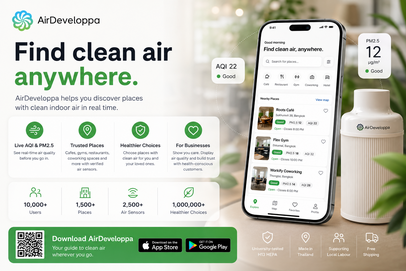
Indoor air quality finder driven by sensor data

Car-sharing app
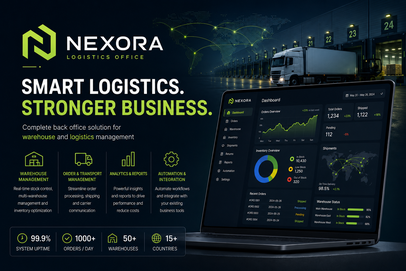
Warehouse and logistics management platform
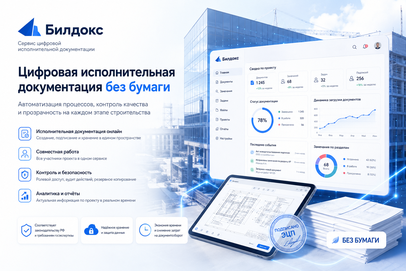
Digital as-built documentation
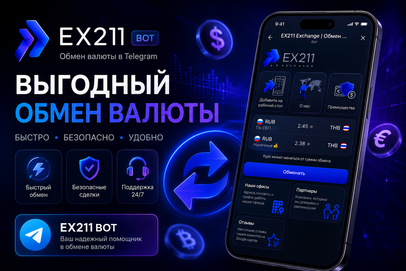
Telegram Mini App for currency exchange
Need this stack with a senior review included?
Tell us what exists today — a green field, a legacy codebase, or a team that needs two more pairs of hands. We answer with a scope, a price and a date.
We do not take work on a stack we cannot review internally at senior level.
Tell us what you need — we'll suggest the format and the timeline. We normally reply within one business day.
or write to us directly