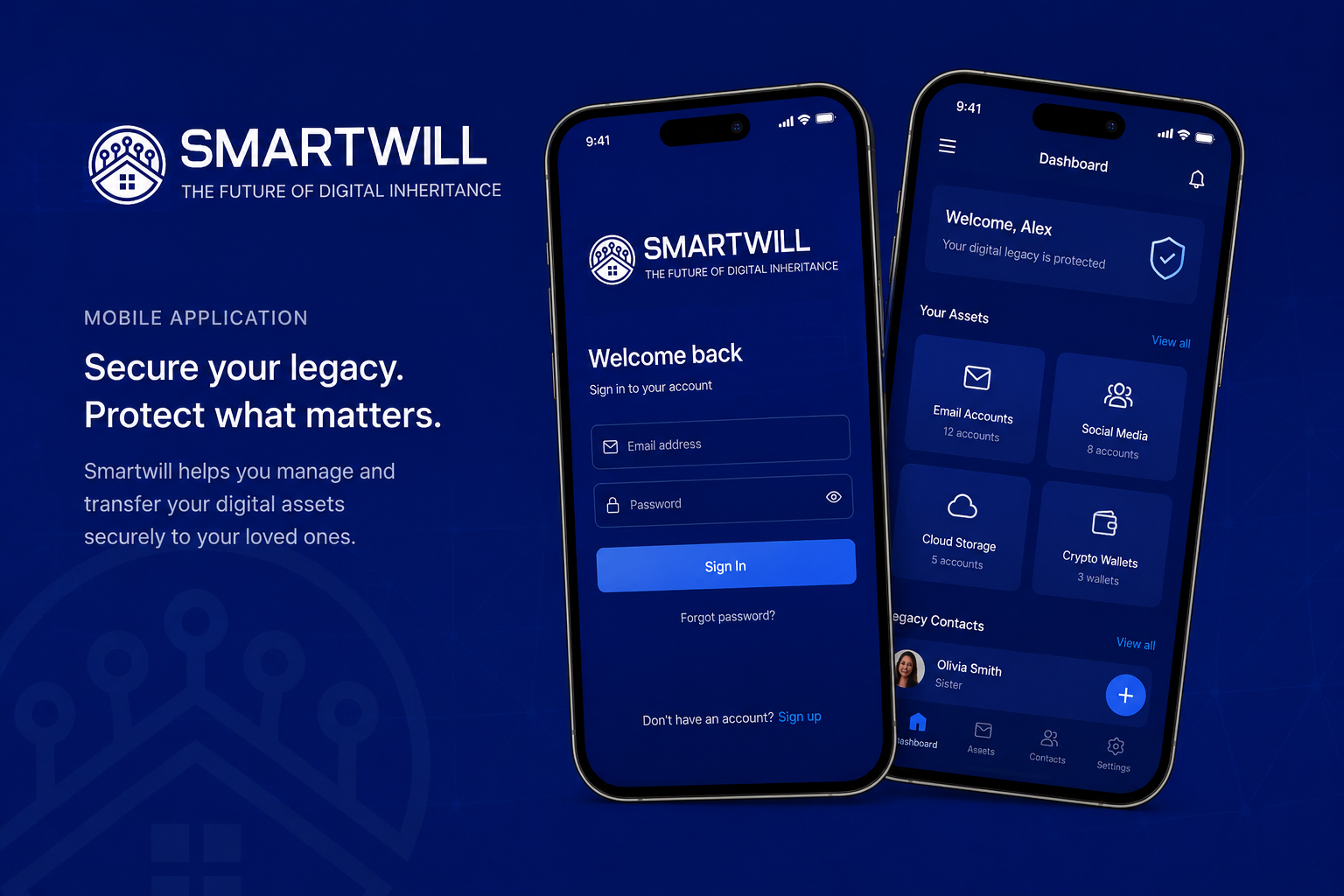
SAP to open-stack ERP migration
Manufacturer, 500+ employees. Phased migration off SAP ERP onto an open stack with custom modules — run in stages while the plant kept working.
- 0 downtime
- 8 mo migration
- −40% on licences

Not more test cases. Fewer of them, on the flows that carry money, running in CI, with a bug flow that actually closes.
What we can show you
Coverage is a number you can grow without reducing risk. A twenty-minute release suite that people trust is not.
Four things. A test strategy that names what is checked automatically, what is checked by a person and what is deliberately not checked. Automation in CI on the flows that carry money, so a red build cannot reach production. A release regression that finishes inside a coffee break rather than a working day. And a bug flow where a report is reproducible, prioritised and closed.
What it is not: a person clicking through a spreadsheet of cases, or a race to a coverage percentage. Both are easy to sell and neither reduces the risk of the release you are afraid of.
When releases are postponed out of fear, when regression is done from memory, or when hiring a QA engineer has been open for six months. If the product is small and the team disciplined, developer-written tests plus a short checklist may be enough — we will say so.
Price
Audit $1,790, automation from $7,990
Timeline
Smoke suite in CI in 2 weeks
Payment
50/50 by milestone
Both are defensible; the difference is time to first value and what happens when that person is on holiday.
The refusals matter as much as the plan: most QA budgets are lost on checks that never catch anything.
We start from the flows that carry money and the incidents you have already had, not from a feature list. That produces a short smoke suite in CI within two weeks.
Environments and test data come first: without fixtures nobody can reproduce a bug, and every report becomes a debate.
The release suite is built to run inside a coffee break. A suite that takes a working day gets skipped under pressure, which makes it worse than not having one.
Flaky tests are treated as defects: a test nobody trusts is deleted or fixed, never re-run until it passes.
We do not write thousands of UI tests to move a coverage number. We do not test what types, validation or a database constraint can prevent outright.
And we do not take a project without access to CI: testing that cannot block a release is a reporting exercise.
Every report carries steps, environment, expected and actual, plus a severity agreed with you. Reproduction happens before reporting — always.
The monthly quality report shows escaped defects, suite health and where the risk moved. Our method for measuring is public in the engineering report.
Four things we can prove, rather than four adjectives.

Senior review and tests on money flows are part of every build we ship. Selling QA separately is us packaging a discipline we already run, not inventing a new service.

The lowest rate on our card, on the site, with no minimum retainer beyond 40 hours a month.
A test suite people do not trust is worse than none. Flaky tests get fixed or deleted, and the suite's health is reported monthly.

The framework and the tests live in your repository from the first commit. If you stop working with us, the suite keeps running.
Industries
What must never break differs by domain: picking and shipping in logistics, listings and commissions in property, checkout and billing in e-commerce.
Six answers that usually replace a discovery call.
Both, in that order: manual first to learn the product and find the real risks, automation for what repeats every release. Unlike a software testing services company that only supplies testers, we ship the automation framework with them.
A smoke suite running in CI within two weeks; the release regression suite over the following month, prioritised by the flows that carry money.
Playwright or Cypress for web, Appium for mobile, pytest or Jest for services, k6 for load. All of it lives in your repository.
Only synthetic monitoring. Real testing happens in an environment that mirrors production, because testing on live data is how incidents start.
Generated or anonymised fixtures. Production dumps with real personal data do not travel to test environments, and we will not accept them.
Yes: your tracker, your definition of done, our discipline about reproducing a bug before reporting it.
Manufacturer, 500+ employees. Phased migration off SAP ERP onto an open stack with custom modules — run in stages while the plant kept working.
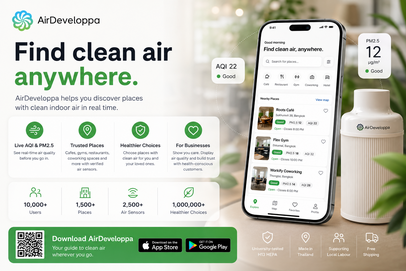
Indoor air quality finder driven by sensor data

Car-sharing app

Warehouse and logistics management platform
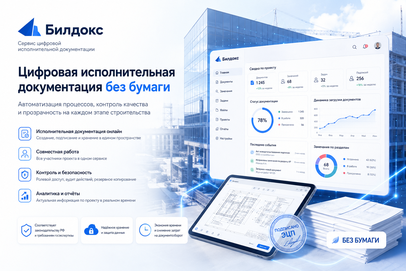
Digital as-built documentation

Telegram Mini App for currency exchange
Afraid of your own release day?
Send the last three incidents and how you test today. You get a risk map, a two-week plan for the smoke suite and a fixed quote for automation.
Tell us what you need — we'll suggest the format and the timeline. We normally reply within one business day.
or write to us directly