SAP to open-stack ERP migration
Manufacturer, 500+ employees. Phased migration off SAP ERP onto an open stack with custom modules — run in stages while the plant kept working.
- 0 downtime
- 8 mo migration
- −40% on licences

Code that works on the bench is a solved problem. Software you can update safely on ten thousand devices in the field, over a network that keeps dropping, is the actual job.
What we can show you
We own the software side of the device and everything above it. Schematics, RTOS firmware and certification stay with your hardware people.
Device projects have two halves. The hardware half — board design, component choice, bare-metal and RTOS firmware, EMC testing, CE and FCC certification, manufacturing — belongs to your hardware team, ODM or a specialist partner. We do not design boards and we do not certify devices; claiming otherwise would waste a month of your time before anyone noticed.
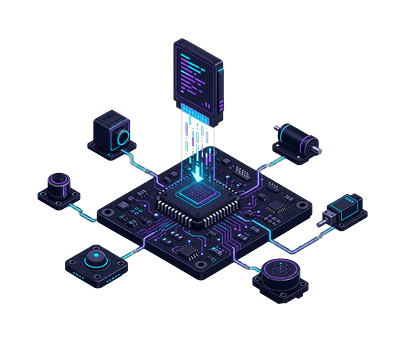
The software half is ours: the device agent on embedded Linux, protocol work and the gateway that normalises what the hardware speaks, the over-the-air update mechanics and rollout server, the health telemetry, the test bench that exercises a real device automatically, and the integration into your platform and business systems.
It works when the device exists or has a hardware owner, and the gap is everything between the sensor and the business system. It does not work when what you actually need is a firmware house for a bare-metal microcontroller: then you need that partner first, and we will say so on the first call rather than take the scoping fee.
Price
Scoping $4,490, builds from $18,900
Timeline
Scoping in 1 week
Payment
50/50 by milestone
The choice decides who does the work, what it costs to maintain and whether over-the-air updates are realistic at all.
A fleet you cannot update is a fleet you will replace by hand — and a device tested only on one desk fails in ways nobody predicted.
Signed images so a device only accepts what you built. A/B partitions so a failed update falls back instead of bricking. Staged rollouts so a bad build reaches ten devices, not ten thousand. Health checks that decide whether an update is confirmed or rolled back.
Adding this to a device already in the field is sometimes impossible — it depends on flash layout and bootloader, and the scoping week answers it definitively.
Real hardware wired into CI where the device can be power-cycled, starved of network and fed malformed data automatically on every build.
Protocol logic is additionally simulated, so most regressions are caught before they reach the bench queue.
Whatever the hardware speaks — Modbus, CAN, a vendor serial protocol — gets normalised in one place, with a schema and versioning, so the platform above never learns firmware quirks.
Buffering and store-and-forward belong here too: connectivity in warehouses, basements and vehicles is intermittent by nature.
Health telemetry, provisioning and the path into your platform and business systems — see IoT software development and API and integration.
Sources, toolchain configuration and build scripts are yours, with IP assigned at delivery.
Four things we can prove, rather than four adjectives.

No board design, no RTOS firmware on our own, no certification. A vendor that claims all of it is either very large or about to learn on your project.
Signed images, A/B partitions, staged rollout and rollback. Retrofitting this into deployed devices is the most expensive mistake in the category.

Devices, lab time and certification are paid to your partner directly. Our discount applies to engineering, never to hardware you would buy anyway.
Code, build scripts and toolchain configuration live in your repository, with IP assigned at delivery and a documented chain of title.
Industries
Connected devices land where physical work happens: fleets and cold chain in logistics, lines and meters in manufacturing, access and utilities in property.
Six answers that usually replace a discovery call.
No — and that is what separates us from a full-stack embedded software development company. Schematics, PCB, enclosures, EMC and certification stay with your hardware partner or ODM; we take the software side of the device and everything above it.
Embedded Linux device agents, gateways and protocol work. Bare-metal and RTOS firmware we take only alongside your embedded engineer or hardware partner — that is a deliberate limit, not a sales position.
Bare-metal for simple deterministic devices, RTOS when several responsibilities run concurrently, embedded Linux when you need networking, TLS and safe updates. The choice also decides who writes it.
Sometimes — it depends on flash layout and bootloader. The scoping week gives a definitive answer instead of a hopeful one.
A hardware-in-the-loop bench in CI where a real device is power-cycled, starved of network and fed malformed data on every build, plus simulation for protocol logic.
You: sources, toolchain configuration and build scripts, with IP assigned at delivery and a documented chain of title.
Manufacturer, 500+ employees. Phased migration off SAP ERP onto an open stack with custom modules — run in stages while the plant kept working.
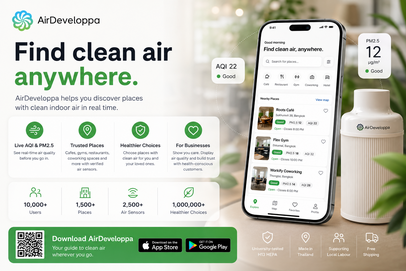
Indoor air quality finder driven by sensor data

Car-sharing app
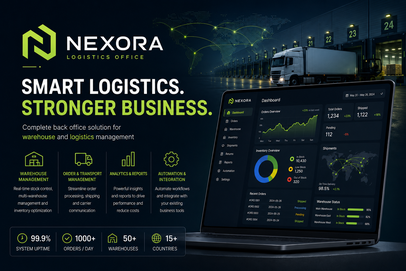
Warehouse and logistics management platform
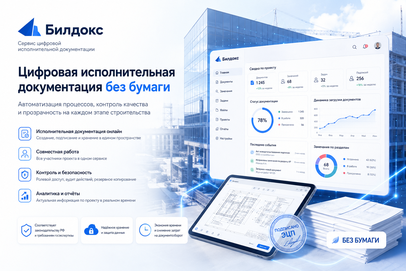
Digital as-built documentation
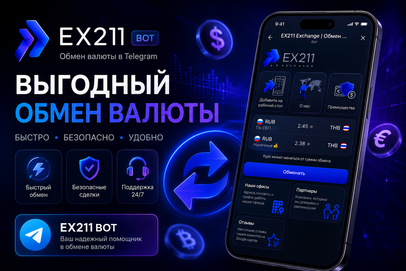
Telegram Mini App for currency exchange
Have a device and nothing above it?
Tell us what the hardware is, who owns it and what has to reach your systems. You get an architecture for the software side, an honest split with your hardware partner and a fixed quote for scoping.
Tell us what you need — we'll suggest the format and the timeline. We normally reply within one business day.
or write to us directly