SAP to open-stack ERP migration
Manufacturer, 500+ employees. Phased migration off SAP ERP onto an open stack with custom modules — run in stages while the plant kept working.
- 0 downtime
- 8 mo migration
- −40% on licences

Most .NET conversations start the same way: the system works, it runs on 4.7 or 4.8, and every year the cost of leaving it there goes up a little.
What we can show you
.NET is now two platforms: legacy Framework 4.x, Windows-only and in maintenance, and modern .NET, cross-platform with an LTS release every year.
Which one you are on changes the cost of every decision: hosting, hiring, licences and how much of the ecosystem is still open to you. Framework applications keep working — Microsoft supports them — but the gap between «works» and «supportable» widens each year.
So an honest .NET engagement starts by establishing the position: what runs where, what depends on Windows-only APIs, and what the move would cost per module. Only then does it make sense to talk about features.
Corporate environments with Active Directory, SQL Server and existing Windows infrastructure; large domains where a typed, structured platform pays off; teams that hire predictably. For a small consumer product with no enterprise integrations, a lighter stack is usually cheaper to own.
Price
From $7,990
Timeline
3 weeks to first release
Payment
50/50 by milestone
Both are defensible. The decision is about hosting costs, hiring and how long the system still has to live.
Where this stack earns its place in a project, and what we would use instead if it did not.
ASP.NET Core APIs and back-office systems where the domain is rules, roles and reporting.
Project-by-project migration off 4.x with tests as the safety net, and containerisation once the code allows it.
SSO and Active Directory, SQL Server, ERP exchange and message queues — see API and integration.
Schema and performance, migrations, and moves to managed hosting where the licence maths works out.
The best stack is usually the one your team can maintain after we leave.
Corporate systems with Windows infrastructure, Active Directory and SQL Server already in place, and teams that need a supported platform rather than a fashionable one.
A small public-facing product with no enterprise integrations: a lighter stack will cost less to run and to hire for, and we will say so.
Rates
$28–55/hour by role
Fixed builds
From $7,990
Discounts
Dedicated −10% · partners −15%
The part that is specific to this stack rather than true of every project.
Four things we can prove, not four adjectives.

Dependency tree, Windows-only API usage, test coverage and a per-module estimate for $1,790, credited against the work. Nobody should quote a Framework migration blind.

SQL Server, Windows and cloud bills are paid to the vendor directly, with no mark-up from us — the discount applies to our engineering, not to your infrastructure.

Code, CI and infrastructure as code in your accounts, IP assigned at delivery with a documented chain of title.

A senior engineer who did not write the code reviews it — including code an AI drafted. In enterprise .NET that review is what keeps an integration from failing quietly.
Industries
.NET shows up where the back office is old and the integrations are many: manufacturing, logistics, finance departments and property management.
Answered by the people who would do the work, not by a sales team.
Both. As a dotnet development company we take Framework 4.x estates as readily as greenfield work: most engagements start on 4.x and end on a supported LTS release of modern .NET, one module at a time.
Weeks per module rather than one big project. The audit produces a per-module estimate before anything is touched.
WCF services, WebForms pages, System.Web dependencies, third-party components without modern builds, and anything tied to Windows-only APIs. We find those in the audit and price them.
Usually yes, and that is where hosting savings come from — but we verify it dependency by dependency before promising it.
Yes: schema design, performance, migrations and moves to managed hosting. Licence costs stay yours and are paid at cost, never marked up.
Yes — SSO, directory sync and ERP exchange are the most common integrations in this stack, and they get their own contract tests.
Manufacturer, 500+ employees. Phased migration off SAP ERP onto an open stack with custom modules — run in stages while the plant kept working.
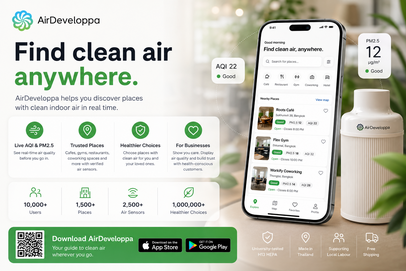
Indoor air quality finder driven by sensor data

Car-sharing app
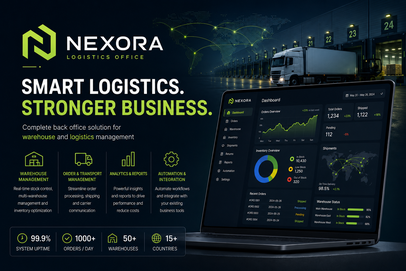
Warehouse and logistics management platform
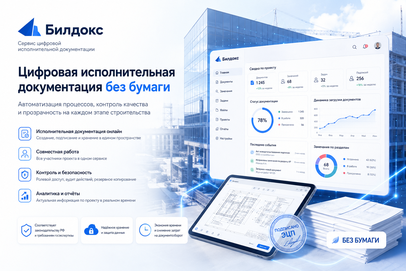
Digital as-built documentation

Telegram Mini App for currency exchange
Need this stack with a senior review included?
Tell us what exists today — a green field, a legacy codebase, or a team that needs two more pairs of hands. We answer with a scope, a price and a date.
We do not take work on a stack we cannot review internally at senior level.
Tell us what you need — we'll suggest the format and the timeline. We normally reply within one business day.
or write to us directly