SAP to open-stack ERP migration
Manufacturer, 500+ employees. Phased migration off SAP ERP onto an open stack with custom modules — run in stages while the plant kept working.
- 0 downtime
- 8 mo migration
- −40% on licences

Most React problems are not React problems. They are state kept in three places, a component library nobody documented, and a bundle that grew until the phone gave up.
What we can show you
Most React problems are not React problems: state in three places, an undocumented component library and a bundle that grew until the phone gave up.
React is a rendering library, not an architecture. What decides the cost of ownership is what you put around it: a component library with documentation, one place per concern for state, tests on flows and a bundle budget that a build can enforce.
That is why we quote a React project by interface complexity and permission rules rather than by screen count — screens are cheap once the system underneath is right.
Interactive products, dashboards and anything that will keep being built on. A content site that needs SEO and not a single-page app is cheaper and faster as static generation — and we will say so.
Price
From $7,990
Timeline
3 weeks to first release
Payment
50/50 by milestone
The decision that most affects SEO, first load and the size of the team you will need.
Where this stack earns its place in a project, and what we would use instead if it did not.
The screens your users live in, built on a component library rather than copy-paste, so the tenth screen costs less than the first.
Data-dense interfaces with tables, filters and permissions that behave the same on every screen.
Tokens, components and documentation — the thing that stops two developers inventing two buttons.
From jQuery, Angular 1 or an abandoned SPA, done page by page rather than in one heroic rewrite.
The best stack is usually the one your team can maintain after we leave.
Interactive products, teams that will keep building on it, and anything needing a shared component library across several screens or apps.
A content site that needs SEO and does not need a single-page app — static generation or server rendering is cheaper and faster there, and we will say so.
Rates
$28–55/hour by role
Fixed builds
From $7,990
Discounts
Dedicated −10% · partners −15%
The part that is specific to this stack rather than true of every project.
Four things we can prove, not four adjectives.

WCAG AA on the flows that matter, checked with keyboard and screen reader — not with an automated score alone.

Bundle size and Core Web Vitals enforced by the build, measured on a mid-range Android rather than our laptops.

Handover includes the docs, so the next team is not archaeology-first.

The single decision that separates a maintainable React app from the one everybody is afraid to touch.
Industries
React front ends sit on top of our logistics, property and SaaS back ends.
Answered by the people who would do the work, not by a sales team.
Next.js when you need SEO, server rendering or file-based routing; plain React inside an existing app shell. We pick by requirement, not by what is trending.
WCAG AA on key flows as a delivery criterion, checked with keyboard and screen-reader passes rather than an automated score alone.
Yes, after an audit: dependency health, state management, bundle size and test coverage. The audit tells you whether to refactor or to replace screen by screen.
Yes, including the design system. Or we implement your designer's work and tell you where it will be expensive.
A bundle budget in CI and Core Web Vitals in monitoring, so a regression is caught by a build rather than by a user.
Manufacturer, 500+ employees. Phased migration off SAP ERP onto an open stack with custom modules — run in stages while the plant kept working.
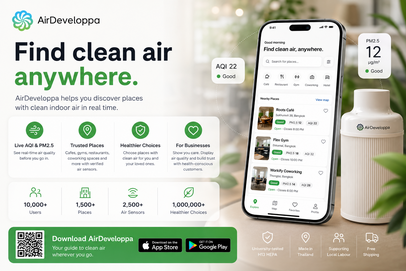
Indoor air quality finder driven by sensor data

Car-sharing app
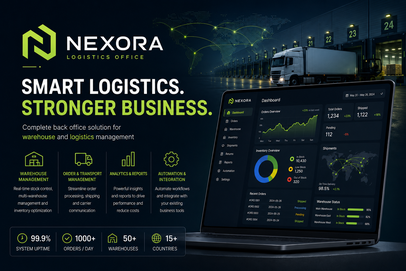
Warehouse and logistics management platform
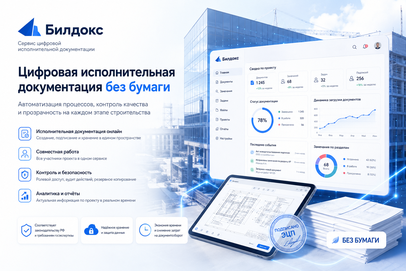
Digital as-built documentation

Telegram Mini App for currency exchange
Need this stack with a senior review included?
Tell us what exists today — a green field, a legacy codebase, or a team that needs two more pairs of hands. We answer with a scope, a price and a date.
We do not take work on a stack we cannot review internally at senior level.
Tell us what you need — we'll suggest the format and the timeline. We normally reply within one business day.
or write to us directly