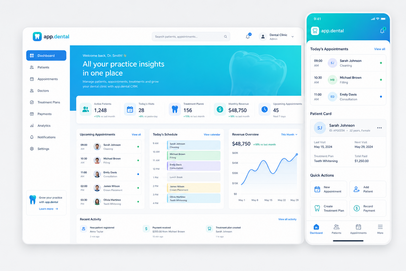
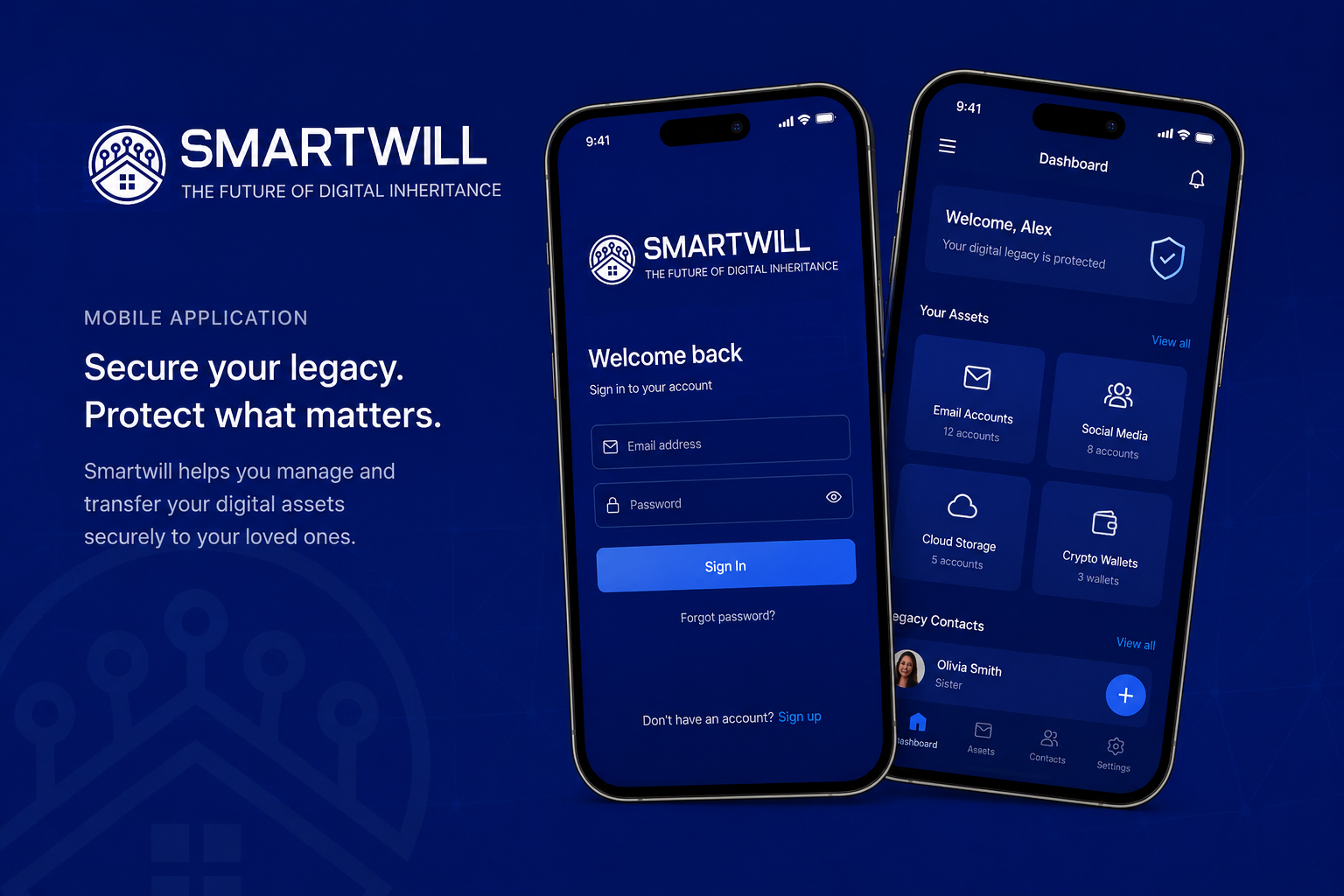
SAP to open-stack ERP migration
Manufacturer, 500+ employees. Phased migration off SAP ERP onto an open stack with custom modules — run in stages while the plant kept working.
- 0 downtime
- 8 mo migration
- −40% on licences

An agent is not a chatbot with ambition. It reads your systems, takes multi-step actions, asks for approval where the stakes are real, and leaves a record of every decision it made.
What we can show you
An agent does work rather than talk about it — which is exactly why it needs approval gates, a full trace and a kill switch.
An agent does work rather than talk about it: it reads your systems, calls tools in sequence, decides what to do next, and stops for approval where the stakes are real. The conversation, if there is one, is a side effect.
That autonomy is exactly why an agent needs controls a chatbot does not: typed tool calls, approval gates, a full trace of every step, budgets enforced in code and a kill switch that works without a deploy.
When a process is repetitive, rule-bounded and high volume, and when each step can be reversed or approved. If the work needs judgement that nobody has written down, the first project is writing it down — not building an agent.

Price
From $18,900
Timeline
4–6 weeks
Payment
50/50 by milestone
Three ways to handle a repetitive process, and the honest trade-off between them.
Four families of agent, all of them measured on completed tasks rather than plausible conversations.
Document intake, matching, exception triage, data clean-up. The work that is high volume, rule-bounded and currently done by someone senior enough to resent it.
Enrichment, qualification, follow-up drafting — with a human pressing send. The draft is the product; the sending stays yours.
Monitoring, dispatch suggestions, inventory and reorder proposals, with the reasoning attached so a dispatcher can disagree.
Test generation, migration scaffolding, review assistance — inside your pipeline, reviewed like any other change.
Six controls that separate an agent you can leave running from one that needs babysitting.
Tools, not screen-scraping. Explicit, typed tool calls against your APIs — never a bot pretending to be a browser user.
Approval gates. Anything irreversible — money, customer communication, deletion — waits for a human unless you explicitly opt out per action type.
Full trace. Every step, tool call, input and output stored and searchable. When someone asks "why did it do that?", there is an answer.
Budgets in code. Token, latency and action-count limits enforced per run.
Evaluation in CI. Multi-step tasks scored end to end on a labelled set, with regression gates before merge.
A kill switch. One toggle that stops the agent everywhere, plus a documented rollback.
Single-purpose agent
From $18,900
Timeline
4–6 weeks
Feasibility review
$4,490, one week
Four things we can prove, not four adjectives.

Money, customer communication and deletion wait for a human unless you explicitly opt out per action type. Autonomy is a setting, not an ideology.

Inputs, tool calls and outputs are stored and searchable, so "why did it do that?" has an answer rather than a shrug.

Token, latency and action limits enforced in code, plus one toggle that stops the agent everywhere and a documented rollback.

Multi-step tasks scored on a labelled set with regression gates — a change that breaks step seven does not reach production.
Industries
Agents earn their keep in document-heavy operations: logistics, finance back office, insurance and professional services.
What comes up once the conversation moves past the demo.
From $18,900 for a single-purpose agent; multi-step workflows with approvals start at $35,900. A one-week feasibility review at $4,490 de-risks the estimate and is credited against the build.
Reversible, high-volume, rule-bounded work. Irreversible actions sit behind approval gates by default — that is a design decision, not a limitation we are apologising for.
Budgets and action limits enforced in code, approval gates on the risky classes, and a kill switch that works without a deploy.
End-to-end task scoring on a labelled set, plus per-step traces so a failure can be localised to the step that caused it.
Whatever survives your constraints. The architecture keeps orchestration and model swappable, and we do not build on a framework we cannot debug at senior level.
Usually via a thin API layer we build first. If there is no API at all, that layer is the actual project — and we will say so before quoting the agent.
Manufacturer, 500+ employees. Phased migration off SAP ERP onto an open stack with custom modules — run in stages while the plant kept working.
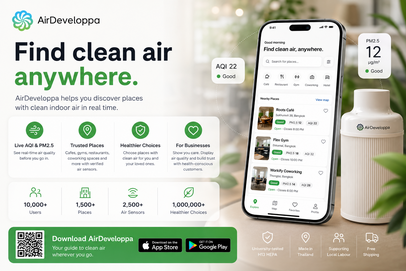
Indoor air quality finder driven by sensor data

Car-sharing app
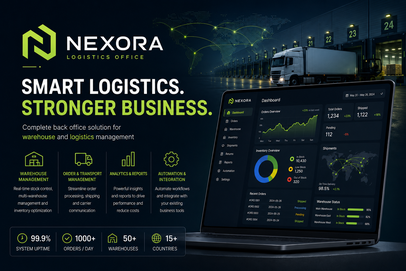
Warehouse and logistics management platform
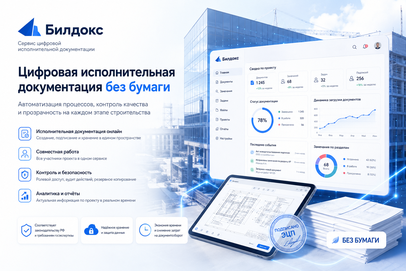
Digital as-built documentation

Telegram Mini App for currency exchange
Bring the task, not the buzzword
Describe one repetitive process with a clear definition of done. We will tell you whether it is an agent, a script, or a rule that never needed a model.
Feasibility review is one week and credited in full against the build.
Tell us what you need — we'll suggest the format and the timeline. We normally reply within one business day.
or write to us directly