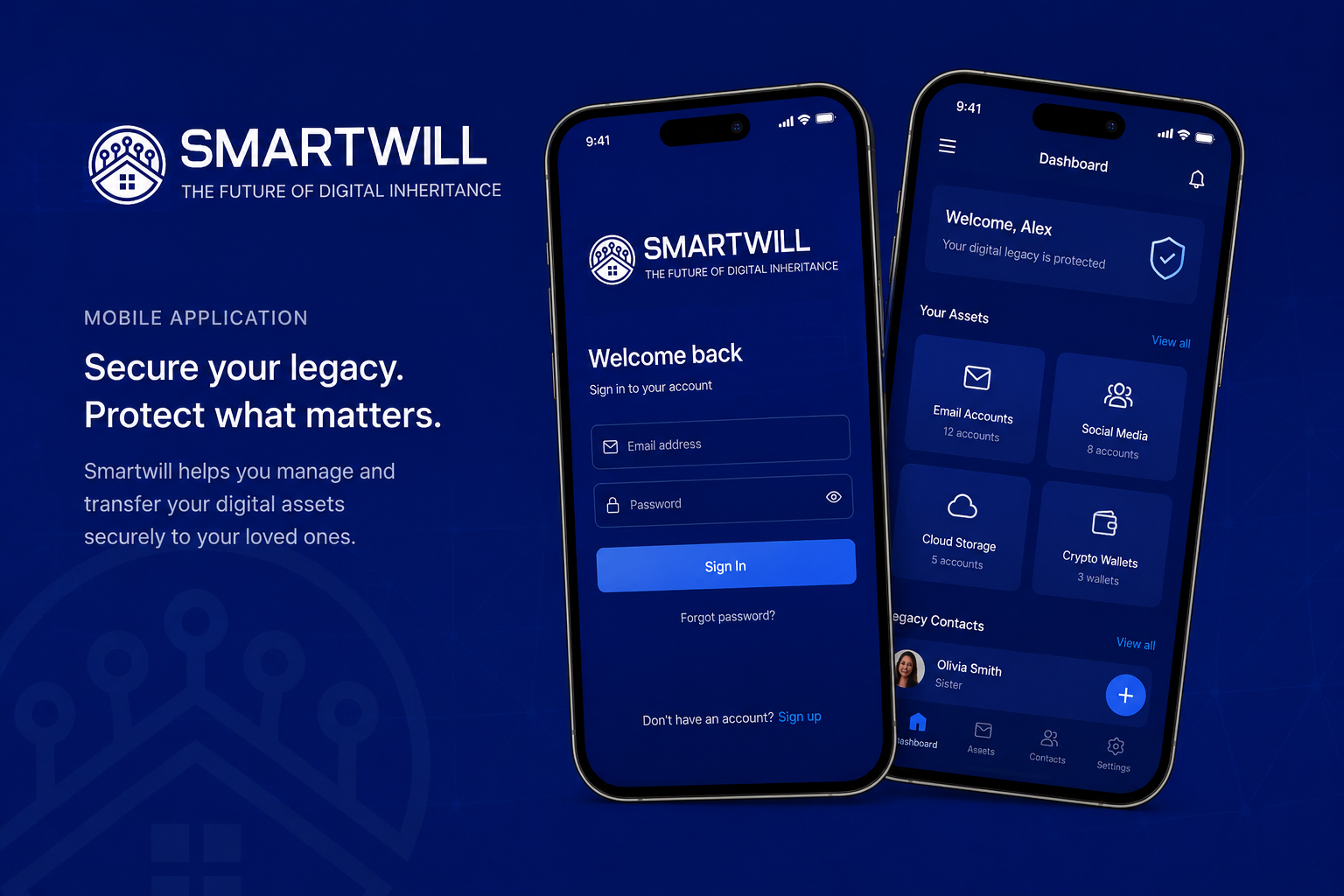
SAP to open-stack ERP migration
Manufacturer, 500+ employees. Phased migration off SAP ERP onto an open stack with custom modules — run in stages while the plant kept working.
- 0 downtime
- 8 mo migration
- −40% on licences

Laravel is the fastest route to a serious business application when the domain is heavy on rules and light on novelty. We use it where it wins and say so where it does not.
What we can show you
Laravel is the fastest route to a serious business application when the domain is heavy on rules and light on novelty.
Laravel is a PHP framework with conventions strong enough that five developers write code that looks like one person wrote it. That matters more than raw performance on business applications, where the expensive part is not speed but the second year of changes.
It carries the boring essentials out of the box — auth, queues, migrations, scheduling, mail, storage — so a team spends its budget on your domain rather than on plumbing.
Rule-heavy domains, fast time to first release, and a hiring pool you can recruit from after we leave. It stops being the answer for hard real-time and CPU-bound work, and we will name a better stack rather than sell you ours.
Price
From $7,990
Timeline
3 weeks to first release
Payment
50/50 by milestone
Both are PHP and both are good. The choice is about team and domain size.
Where this stack earns its place in a project, and what we would use instead if it did not.
Internal systems, back office, approval flows and the reporting that has to agree with the source data. Laravel's conventions keep a five-person team consistent without a style war.
Backends for web and mobile clients, with typed contracts and versioning — so the front end can move without waiting for a deploy.
ERP, accounting, carriers, payment providers. Queue-heavy work — imports, documents, notifications — designed for retries rather than hope.
Laravel 8 or 9 to current, done incrementally with tests as the safety net rather than a big-bang rewrite weekend.
The best stack is usually the one your team can maintain after we leave.
CRUD-heavy domains with a lot of business rules, teams that will maintain the code after us, fast time to first release, and a hiring pool you can actually recruit from later.
Hard real-time systems, heavy CPU-bound computation, or an existing team that only knows Node or Python. We will name the better stack even when it is not ours.
Rates
$28–55/hour by role
Fixed builds
From $7,990
Discounts
Dedicated −10% · partners −15%
The part that is specific to this stack rather than true of every project.
Four things we can prove, not four adjectives.

Pest or PHPUnit on the flows that make money, migrations that rebuild any environment from scratch, and static analysis in the pipeline.

Laravel projects are predictable enough that most of them can be quoted fixed — and we do, with the date attached.

Code, infrastructure and CI in your accounts, IP assigned at delivery with a documented chain of title.
Laravel 8 or 9 to current, incrementally, with tests as the safety net rather than hope.
Industries
Laravel carries our logistics, property and e-commerce back offices — domains that are all rules and integrations.
Answered by the people who would do the work, not by a sales team.
Yes, starting with a paid audit: version, dependencies, test coverage, data model, deployment. Then a fix plan with hours before anyone promises a date.
Yes, incrementally, with characterisation tests around the parts nobody understands any more.
Laravel for speed and hiring pool; Symfony for very large domain models and strict architectural boundaries. We build both and will recommend against ourselves if your team already knows the other.
Server-driven for internal tools; a separate React or Vue front end for products with rich interaction. It is a maintenance decision, not a preference.
Yes — a common staff-augmentation setup, with our tech lead reviewing pull requests at no extra charge. See staff augmentation.
Laravel web development services from architecture to deployment: application code, API, queues, tests and CI. As a Laravel development agency we can also take over an existing codebase after a paid audit.
Manufacturer, 500+ employees. Phased migration off SAP ERP onto an open stack with custom modules — run in stages while the plant kept working.
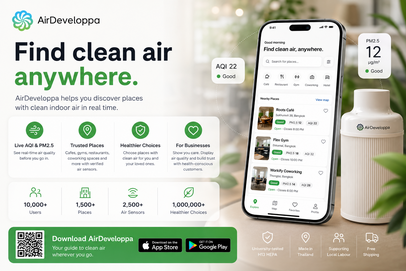
Indoor air quality finder driven by sensor data

Car-sharing app
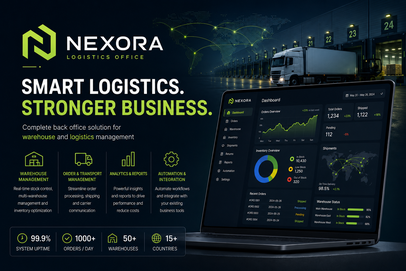
Warehouse and logistics management platform
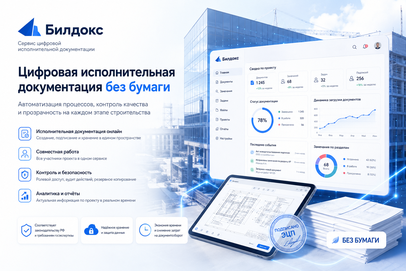
Digital as-built documentation

Telegram Mini App for currency exchange
Need this stack with a senior review included?
Tell us what exists today — a green field, a legacy codebase, or a team that needs two more pairs of hands. We answer with a scope, a price and a date.
We do not take work on a stack we cannot review internally at senior level.
Tell us what you need — we'll suggest the format and the timeline. We normally reply within one business day.
or write to us directly