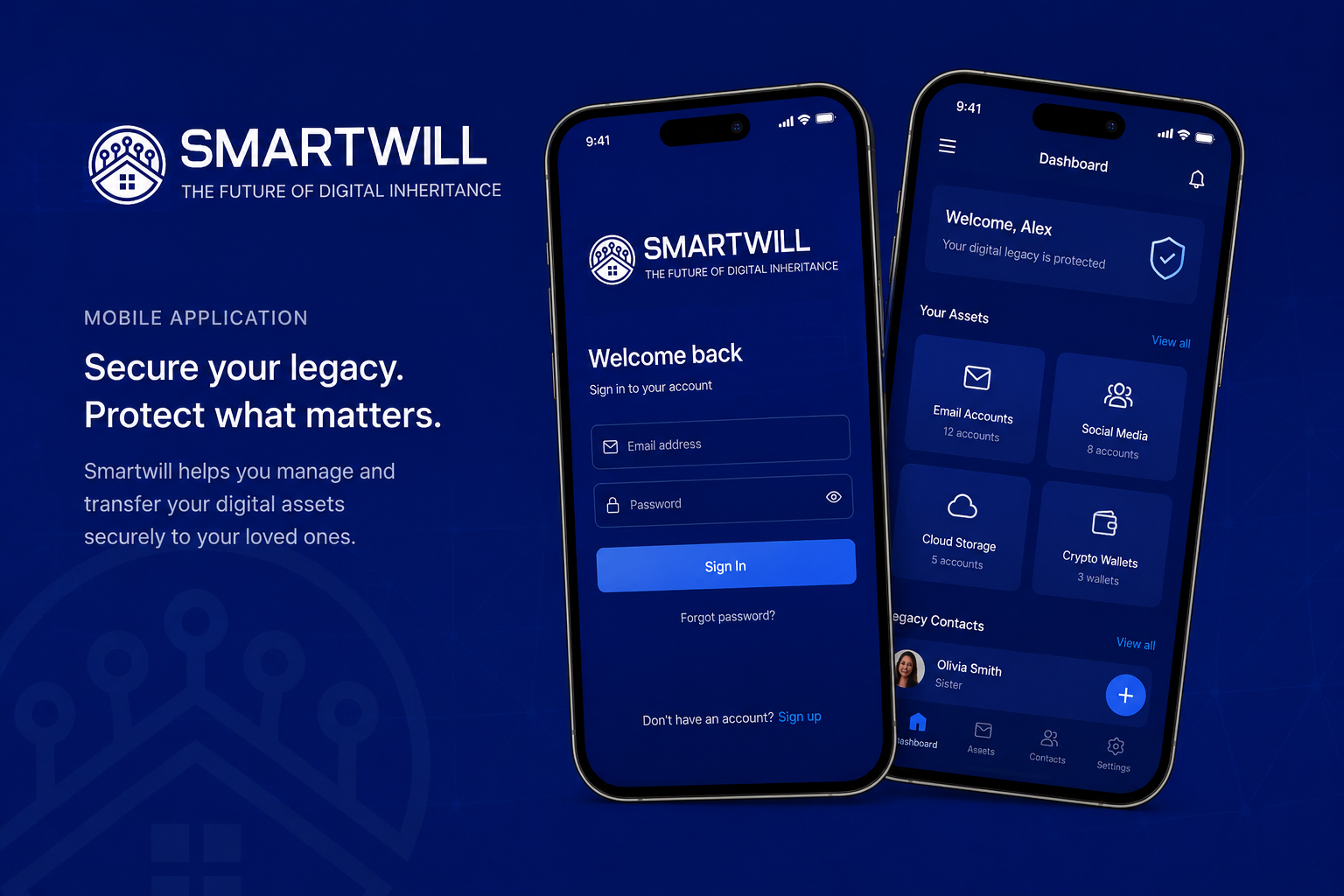
SAP to open-stack ERP migration
Manufacturer, 500+ employees. Phased migration off SAP ERP onto an open stack with custom modules — run in stages while the plant kept working.
- 0 downtime
- 8 mo migration
- −40% on licences

Next.js is what you pick when search traffic and first-load speed decide revenue — and what you regret picking when a static site would have done the job for a tenth of the running cost.
What we can show you
React renders in the browser; Next.js decides where and when rendering happens — which is exactly what search engines and slow phones care about.
A plain React application ships an empty page and fills it in with JavaScript. That is fine behind a login and expensive in front of one: crawlers see less, and a mid-range phone spends a second or two on script execution before anything appears.
Next.js moves that work to build time or to the server, adds routing, image handling and a caching model. The price is operational: you now have a server-side runtime to host, monitor and pay for. That trade is worth making when organic traffic or first-load speed carries revenue, and not otherwise.
When SEO matters, when the first screen has to be fast on a cheap phone, or when public pages and a logged-in product share one codebase. For a purely internal application, plain React or Vite is simpler and cheaper to run.
Price
From $7,990
Timeline
3 weeks to first release
Payment
50/50 by milestone
Three answers to «how does this page reach the user», with different bills attached.
Where this stack earns its place in a project, and what we would use instead if it did not.
Pages that rank and load fast, with the CMS your marketing team already uses behind them.
Product pages rendered on the server, filters that survive the back button, and image handling that does not eat the budget.
A logged-in application and a public, indexable surface in one codebase, without two teams and two deployments.
Route by route, keeping the app running, usually driven by a search-visibility problem.
The best stack is usually the one your team can maintain after we leave.
Products where organic traffic matters, where the first screen has to be fast on a mid-range phone, or where public pages and an application share a codebase.
A purely internal tool behind a login, or a brochure site: the first needs no SSR, the second is cheaper and calmer as static generation — and we will say so.
Rates
$28–55/hour by role
Fixed builds
From $7,990
Discounts
Dedicated −10% · partners −15%
The part that is specific to this stack rather than true of every project.
Four things we can prove, not four adjectives.

Each route gets a documented choice — static, incremental, server or client — with the reason. That document is what keeps the hosting bill explainable a year later.

Bundle size and Core Web Vitals measured on a mid-range Android, not on our laptops, with the build failing when a regression lands.

We deploy to Vercel when you want it and to your own cloud when you do not. The infrastructure is code either way.

Code, CI and content model live in your accounts, with IP assigned at delivery and a documented chain of title.
Industries
Next.js earns its keep where public pages carry revenue: property listings, marketplaces, e-commerce catalogues and content-heavy SaaS.
Answered by the people who would do the work, not by a sales team.
For anything the public has to find and load fast. Next.js adds server rendering, static generation and routing; behind a login, plain React remains simpler and cheaper to run.
Per route, not per project. Prices that change hourly need server rendering or incremental regeneration; a docs page does not. We write the decision and the reason down.
More than static, less than a full application platform. We model the running cost during scoping, because server-rendering everything by default is the classic Next.js budget mistake.
No. Vercel is convenient and we deploy there when you want it, but your own cloud with containers works fine and keeps the bill predictable.
Yes, route by route while the app keeps running. These migrations are usually driven by a search-visibility problem, so we start with the pages that need to rank.
Lab measurements in CI on a throttled mid-range device profile, plus field data once the site is live. A regression fails the build rather than waiting for a complaint.
Manufacturer, 500+ employees. Phased migration off SAP ERP onto an open stack with custom modules — run in stages while the plant kept working.
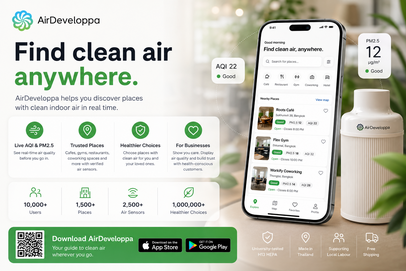
Indoor air quality finder driven by sensor data

Car-sharing app
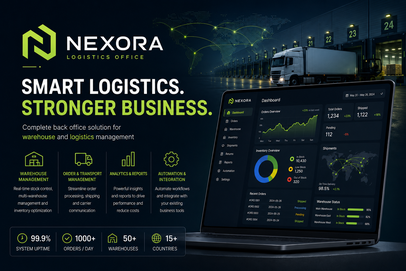
Warehouse and logistics management platform

Digital as-built documentation

Telegram Mini App for currency exchange
Need this stack with a senior review included?
Tell us what exists today — a green field, a legacy codebase, or a team that needs two more pairs of hands. We answer with a scope, a price and a date.
We do not take work on a stack we cannot review internally at senior level.
Tell us what you need — we'll suggest the format and the timeline. We normally reply within one business day.
or write to us directly