SAP to open-stack ERP migration
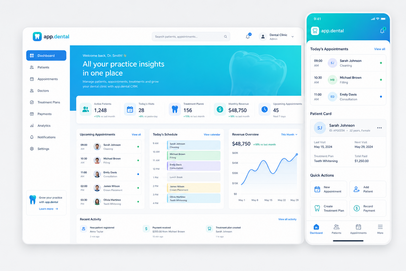
Manufacturer, 500+ employees. Phased migration off SAP ERP onto an open stack with custom modules — run in stages while the plant kept working.
- 0 downtime
- 8 mo migration
- −40% on licences

Python is where the analysis happens and, increasingly, where the product does too. The gap between those two states — notebook and service — is most of the work we get asked for.
What we can show you
Python is where the analysis happens and, increasingly, where the product does too. The gap between those two states is most of the work.
A notebook that produces the right number once is not a system. Turning it into one means pinned dependencies, migrations, configuration that is not hard-coded, structured logging, retries, monitoring and a deployment somebody other than the author can run.
We quote that conversion honestly: it is usually more work than the original analysis, and it is the difference between a result and a product.
Data-heavy products, AI features, integration and automation work, and teams whose analysts already write Python. If your team is standardised on TypeScript end to end, Node keeps the maintenance surface smaller.
Price
From $7,990
Timeline
3 weeks to first release
Payment
50/50 by milestone
Two good answers to different questions — and sometimes both in one product.
Where this stack earns its place in a project, and what we would use instead if it did not.
Django when you want batteries and an admin; FastAPI when you want a typed API surface and speed. Both with migrations and tests.
Ingestion, transformation and scheduling that can be re-run safely, with failures that are visible rather than silent.
The scripts holding your operations together, turned into something with logging, retries and an owner.
Retrieval, evaluation harnesses and cost control around language models — see AI development.
The best stack is usually the one your team can maintain after we leave.
Data-heavy products, AI features, integration and automation work, and teams whose analysts already write Python.
Teams standardised on TypeScript across the stack — then Node keeps your maintenance surface smaller, and we will recommend that instead.
Rates
$28–55/hour by role
Fixed builds
From $7,990
Discounts
Dedicated −10% · partners −15%
The part that is specific to this stack rather than true of every project.
Four things we can prove, not four adjectives.

We price the productionisation separately instead of hiding it inside a feature estimate — that is where these projects usually go wrong.
For AI work, cost per request is estimated during scoping and capped in code, not discovered on the first invoice.
They own the model, we own the service, and the interface between the two is written down.
Retries, dead letters and monitoring, because a silent data pipeline is worse than none.
Industries
Python powers our data and AI work across logistics, e-commerce and SaaS products.
Answered by the people who would do the work, not by a sales team.
Django when you need an admin, auth and conventions out of the box; FastAPI for typed APIs and async workloads. Mixing both in one product is sometimes right and we will say when.
Yes — that is a common engagement. Expect the productionisation to cost more than the analysis did; we quote it as its own scope rather than hiding it in a feature price.
Modelled during scoping from expected volumes, then enforced with a monthly cap in code. Inference is passed through at cost with no mark-up.
Yes: pipelines, warehouses and the reporting layer, with the same review discipline as application code.
That is the usual setup — they own the modelling, we own the service, and the interface between the two is agreed in writing.
Yes. Django development services — admin, auth, migrations and the reporting layer — are the most common shape of Python work we take, with FastAPI added where the API surface needs to be typed and async.
Manufacturer, 500+ employees. Phased migration off SAP ERP onto an open stack with custom modules — run in stages while the plant kept working.
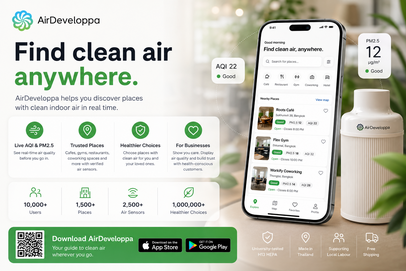
Indoor air quality finder driven by sensor data

Car-sharing app
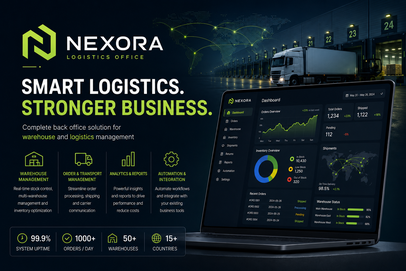
Warehouse and logistics management platform
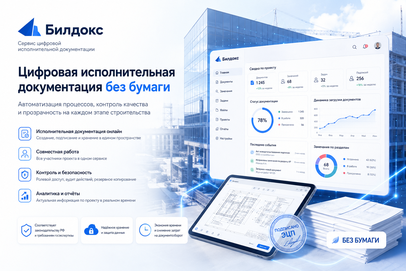
Digital as-built documentation
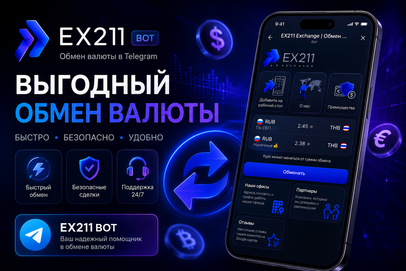
Telegram Mini App for currency exchange
Need this stack with a senior review included?
Tell us what exists today — a green field, a legacy codebase, or a team that needs two more pairs of hands. We answer with a scope, a price and a date.
We do not take work on a stack we cannot review internally at senior level.
Tell us what you need — we'll suggest the format and the timeline. We normally reply within one business day.
or write to us directly