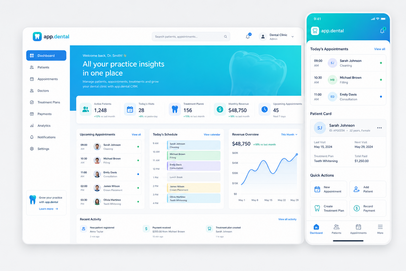
SAP to open-stack ERP migration
Manufacturer, 500+ employees. Phased migration off SAP ERP onto an open stack with custom modules — run in stages while the plant kept working.
- 0 downtime
- 8 mo migration
- −40% on licences

Nobody chooses Java for the syntax. They choose it because the money has to be right, the system has to run for a decade, and the next team has to be able to read it.
What we can show you
Static types, mature transaction support and a decade of predictable releases. The cost is verbosity and setup time, and it is only worth paying for some systems.
Java suits domains where correctness beats speed of first delivery: finance, insurance, logistics back offices, anything with an audit trail. The type system and the ecosystem around transactions catch a class of mistakes that dynamic stacks find in production.
It is a poor trade for a three-week prototype, and it is a bad idea to add Java to a company that has no Java people. We say both of those out loud rather than selling the stack we happen to have free.
Long-lived transactional systems, teams that already run JVM infrastructure, and domains where an auditor will eventually read the logs. If your product is a fast experiment, a lighter stack gets you to the answer sooner.
Price
From $7,990
Timeline
3 weeks to first release
Payment
50/50 by milestone
Both are right answers. The tiebreakers are your existing infrastructure, licences and who you can hire.
Where this stack earns its place in a project, and what we would use instead if it did not.
Payments, ledgers, orders and anything where a partial failure has to leave the data consistent rather than plausible.
Services that talk to banks, ERPs and partners, with contract tests and idempotent endpoints.
Java 8 or 11 to a supported LTS, dependency by dependency, with tests as the safety net.
Nightly jobs that can be re-run safely and report what they did, instead of failing quietly at 3am.
The best stack is usually the one your team can maintain after we leave.
Enterprise and financial systems, long-lived domains, and teams that need a platform with a deep hiring pool and predictable support windows.
A small product that needs to exist in three weeks: the ceremony costs more than it returns, and we will point you at a lighter stack.
Rates
$28–55/hour by role
Fixed builds
From $7,990
Discounts
Dedicated −10% · partners −15%
The part that is specific to this stack rather than true of every project.
Four things we can prove, not four adjectives.

Isolation levels, idempotency and outbox patterns decided in design review. Performance tuning is easy afterwards; unwinding a double charge is not.
Java 8 or 11 to a supported LTS, one step at a time, with characterisation tests around the flows that carry money and rollback at each step.

Banks, ERPs and partners change their APIs without telling you. Contract tests are how you find out before your users do.

Code, CI and infrastructure as code in your accounts, IP assigned at delivery with a documented chain of title.
Industries
Java sits under the parts of logistics, manufacturing and finance where a lost record is a real loss rather than an inconvenience.
Answered by the people who would do the work, not by a sales team.
Current LTS for new work, and upgrades from Java 8 or 11 as their own scope with their own quote. Running on an unsupported runtime is a security question, not a preference.
Spring Boot by default because the hiring pool and the documentation are deepest. Quarkus or Micronaut where startup time or memory genuinely matter, with the reason written down.
Characterisation tests around the money flows first, then dependency-by-dependency upgrade with a rollback at each step, exactly as in legacy modernisation.
Happily, on the JVM, if your team wants it. We will flag the hiring implication rather than pretending there is none.
Yes, after a paid audit of the build, the dependency tree and the test coverage — the three things that decide whether an estimate is honest.
Profiled rather than guessed: heap and GC behaviour under a realistic load, with the findings and the method in the report we hand over.
Manufacturer, 500+ employees. Phased migration off SAP ERP onto an open stack with custom modules — run in stages while the plant kept working.
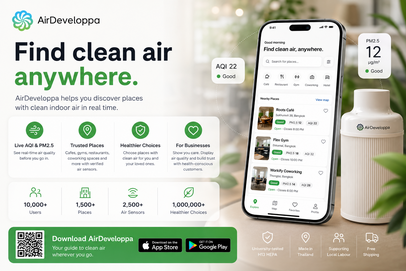
Indoor air quality finder driven by sensor data

Car-sharing app
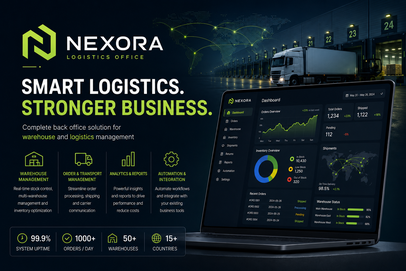
Warehouse and logistics management platform
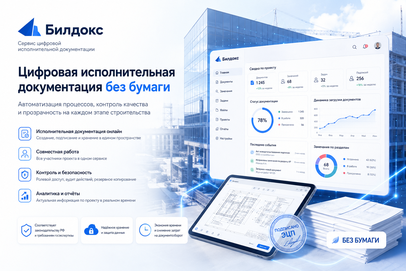
Digital as-built documentation
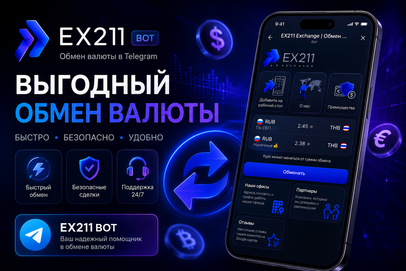
Telegram Mini App for currency exchange
Need this stack with a senior review included?
Tell us what exists today — a green field, a legacy codebase, or a team that needs two more pairs of hands. We answer with a scope, a price and a date.
We do not take work on a stack we cannot review internally at senior level.
Tell us what you need — we'll suggest the format and the timeline. We normally reply within one business day.
or write to us directly