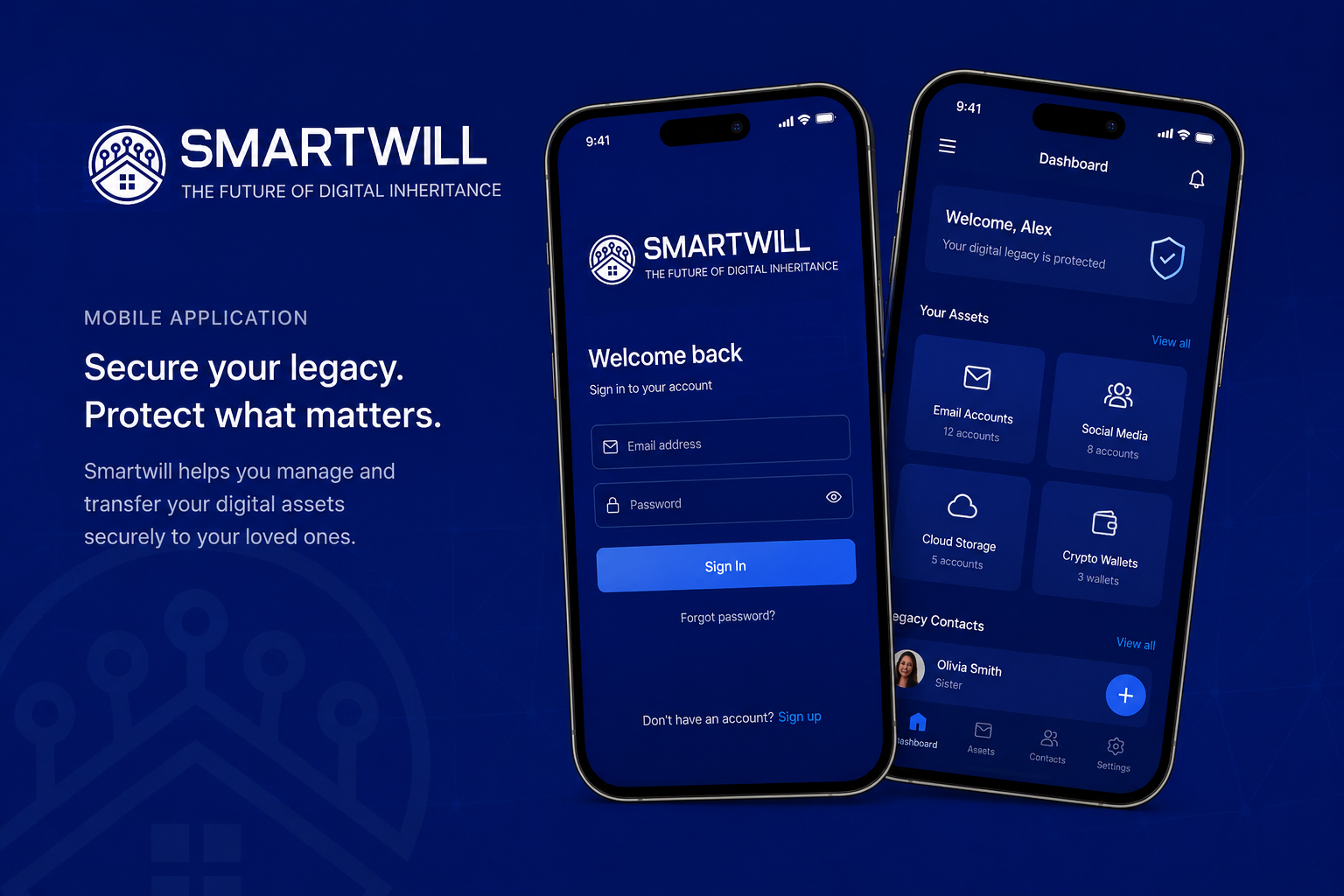
SAP to open-stack ERP migration
Manufacturer, 500+ employees. Phased migration off SAP ERP onto an open stack with custom modules — run in stages while the plant kept working.
- 0 downtime
- 8 mo migration
- −40% on licences

An ongoing study built from paid audits of applications generated with AI builders. Method first, findings second, limitations stated — the opposite order to most vendor research.
What we can show you
Published before any finding, because a study without a method is an advertisement.
Sample. Every paid audit we run on an AI-generated codebase, not a selected subset. We state the count in each edition.
What counts as a defect. A deviation that would cause data exposure, data loss, incorrect billing or an unrecoverable environment. Style is not a defect.
Who assesses. The senior engineer who ran the audit, against a fixed checklist, with a second reviewer on anything critical.
Excluded. Codebases we only saw partially, and prototypes explicitly built as throwaway demos.
Cadence. Updated every six months. A stale study is worse than none.
Edition
First edition in preparation
Basis
Paid audits, full sample
Next update
Every six months
Reported as classes rather than vendor league tables: the point is what to check, not whose generator to blame.
Row-level security missing or advisory; authorisation checks implemented in the client while the endpoint stays open. The most common critical class.
API keys shipped to the browser; credentials committed; a single environment edited in production.
Schema existing only in a hosted console, so no environment can be rebuilt and no change can be reviewed.
Payments left in test mode, or live without webhook handling, so paying customers are not reliably provisioned.
Stated plainly, because a study that hides its limits is marketing.
Industries
We build with the domain in mind — from fintech and retail to manufacturing and healthcare.
Including the one every founder asks first.
For a prototype, yes, and often the fastest path to learning. For anything handling payments, personal data or real users, get the security and data model reviewed before launch.
Access control, then secrets, then migrations. In that order, because the first one is the class that exposes other people's data.
Audit $1,790 for five days; fix-up from $5,900 over two to three weeks. Both fixed price.
Usually not. The exception is a data model that is wrong at the root — then rebuilding on the learnings is cheaper than the archaeology, and the audit will say so.
Yes, with a link and the edition date. If you need the method in more detail for a paper or a talk, ask and we will send it.
Manufacturer, 500+ employees. Phased migration off SAP ERP onto an open stack with custom modules — run in stages while the plant kept working.
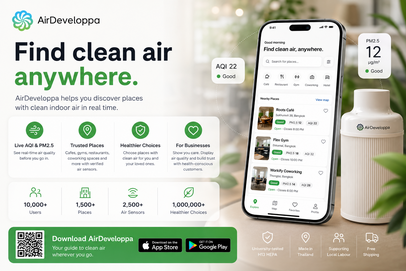
Indoor air quality finder driven by sensor data

Car-sharing app
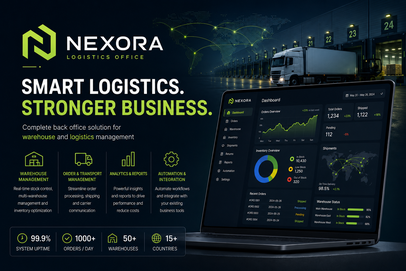
Warehouse and logistics management platform
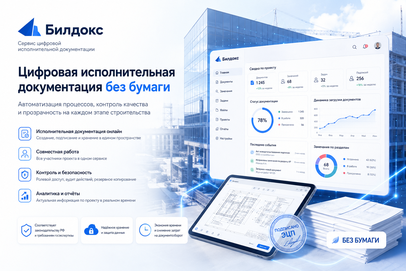
Digital as-built documentation

Telegram Mini App for currency exchange
Contribute your codebase to the next edition
Every audit we run becomes an anonymised data point. You get the findings report; the study gets one more codebase.
Audit is $1,790 and credited in full against any fix-up work.
Tell us what you need — we'll suggest the format and the timeline. We normally reply within one business day.
or write to us directly